A neighbor a few streets over had a close call last fire season, embers from a wildfire miles away landed in her gutters, which were packed with dry leaves, and started a small fire on her roofline before the fire department got it out. Nobody was hurt and the damage was minor, but it was close enough that I spent the next weekend on my own roof and yard doing the boring maintenance I’d been putting off for two years. Most of what actually reduces wildfire risk around a home turned out to be cheap, sustainable habits rather than anything expensive, and I wish I’d done it before I had a reason to feel scared into it.
Quick Answer
You can meaningfully reduce your home’s wildfire risk by clearing dry leaves and debris from gutters and roofs, keeping the area within 5 feet of your foundation free of mulch and dry vegetation, choosing fire-resistant landscaping, screening vents against embers, and eliminating small ignition sources like unattended fire pits or dry woodpiles against the house. Most of these changes cost little to nothing.
Understanding defensible space zones
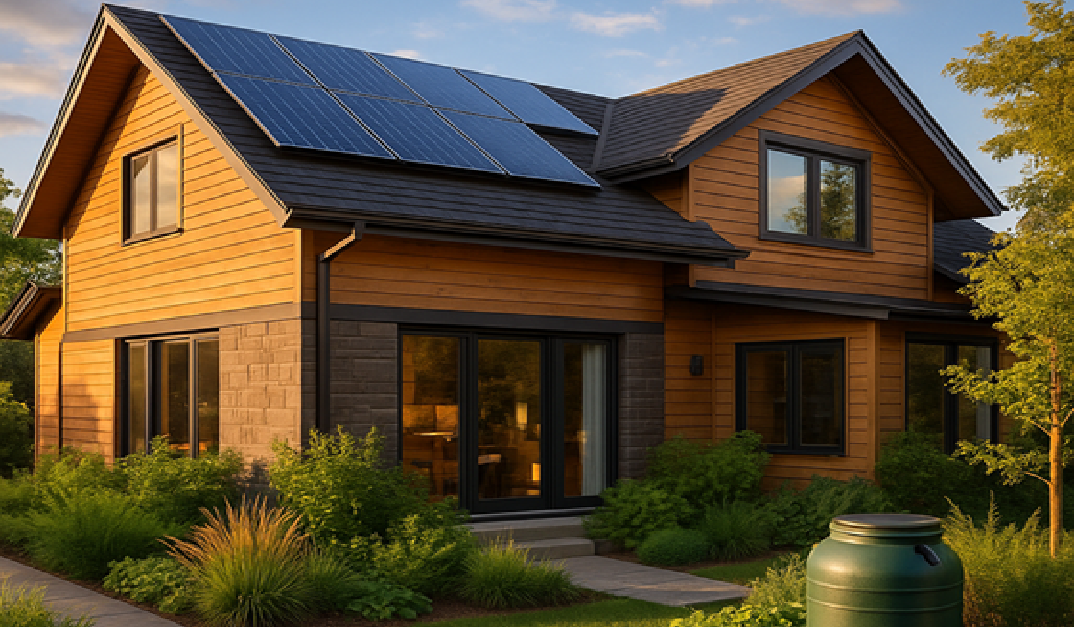
Fire experts break the area around a home into zones, and the closest one matters most. The first 5 feet from your foundation (sometimes called the ember-resistant zone) should have no mulch, dry vegetation, or stored flammable items at all, since this is where wind-blown embers are most likely to ignite something touching the house itself. The next zone out, roughly 5 to 30 feet, is where spacing between shrubs and trees matters more than eliminating plants entirely.
I hadn’t thought about my own yard in zones before, I just had mulch beds running right up against the siding because that’s how the landscaping came when I moved in. Pulling mulch back to at least 5 feet and replacing it with gravel in that strip was a weekend project, not a renovation.
The gutter and roof debris problem, since it’s what actually got my neighbor
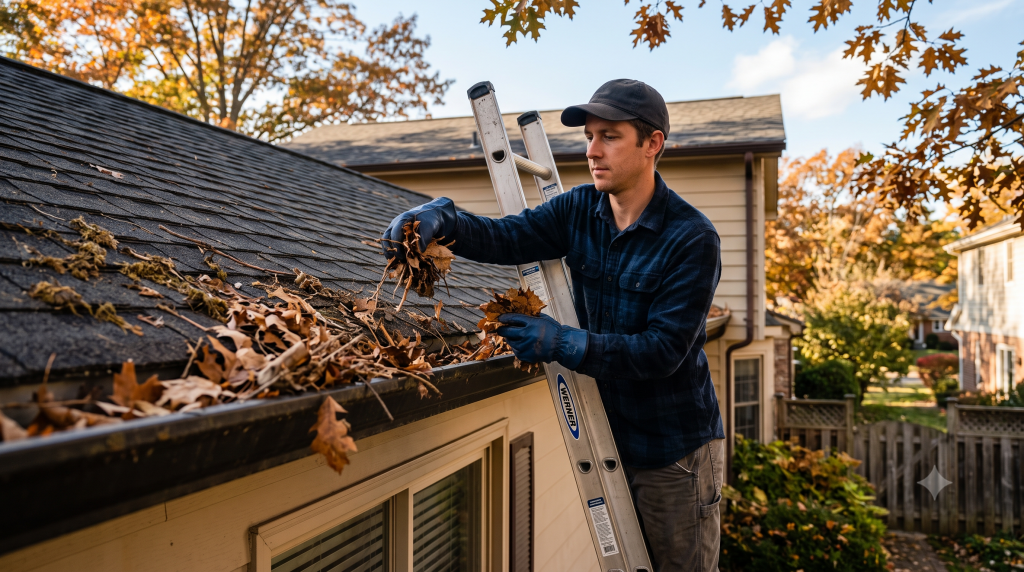
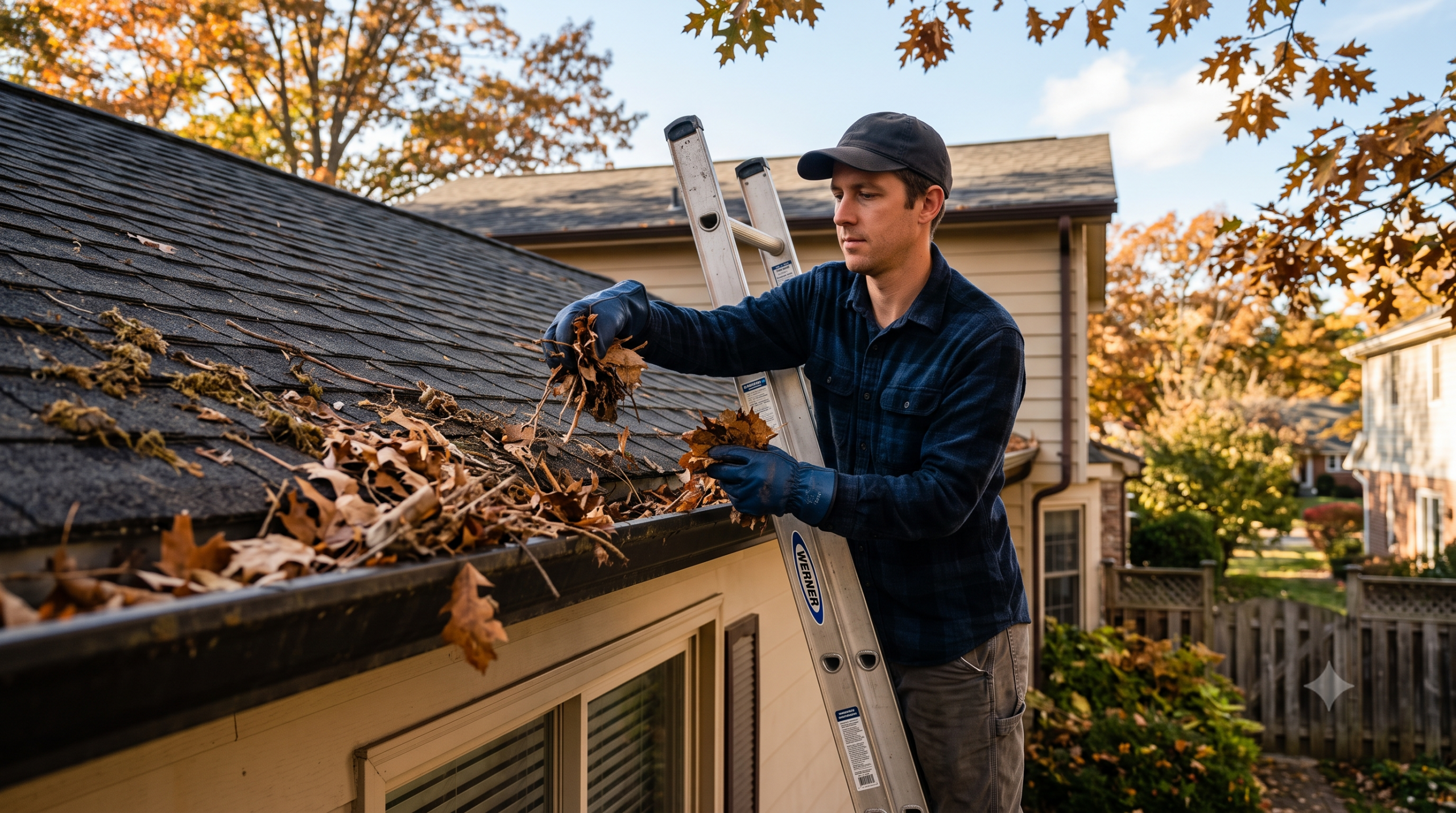
Dry leaves and pine needles in gutters and on roofs are one of the most common ways embers from a wildfire miles away actually ignite a structure, the embers land in that dry material and smolder there rather than needing direct flame contact. I now clear mine twice a year, once in fall and once before the start of the dry season locally, rather than the “whenever I remember” schedule I used to keep.
A set of aluminum gutter guards cuts down how often this buildup happens in the first place, and they were the one purchase I made after my neighbor’s close call that felt like an actual upgrade rather than just a chore.
Fire-resistant landscaping choices that didn’t require a redesign
I didn’t rip out my existing garden, I made targeted swaps. Removing a row of dense, resinous juniper shrubs that were touching my exterior wall (juniper is genuinely one of the more flammable common landscaping plants) and replacing them with a low, well-spaced perennial bed made a bigger difference than I expected for very little cost, since I split the new plants from a neighbor’s garden rather than buying them.
Spacing matters as much as plant choice: even less flammable plants create risk if they’re packed together in a continuous line leading toward the house, since that creates a path for fire to travel rather than a gap that might stop it.
Ember-resistant vents, the upgrade I didn’t know I needed
Standard attic and foundation vents have gaps wide enough for embers to blow directly inside a home, which is a genuinely common way homes ignite from the inside out during a wildfire, not from direct flame contact at all. Ember-resistant vent screens with a much finer mesh block this without affecting airflow meaningfully, and they’re a straightforward swap for the existing vent covers.
This was the one item on my list I paid a handyman for, since it involved working on the roofline, but the part itself was inexpensive and the labor was under an hour.
Reducing the ignition sources that are actually your own doing
Wildfire risk isn’t only about fires that start somewhere else and spread. A woodpile stacked directly against my exterior wall, a habit I’d never questioned, is exactly the kind of small ignition risk that’s entirely within your control to fix. I moved mine to a freestanding rack about 15 feet from the house.
The same logic applies to fire pits and any outdoor burning: fully extinguishing (not just letting it die down) and never leaving one unattended, especially during dry, windy conditions when a stray ember can travel much farther than it looks like it should.
The bigger picture beyond just my own yard
None of this is really about any one homeowner’s risk in isolation. Wildfire seasons getting longer and more intense is tied to broader climate patterns, and the sustainable habits that reduce personal fire risk (less mulch and more gravel near structures, native and appropriately spaced plants, less reliance on water-hungry ornamental landscaping) tend to overlap with genuinely more sustainable yard choices generally, not just fire-safe ones.
I think of the small individual changes as the part I can actually control, while supporting broader community and climate efforts is the part that addresses why fire seasons keep getting worse in the first place. Neither replaces the other. It’s the same mindset that made a difference once I started paying attention to reducing water waste at home: small, no-renovation habits add up in ways that are easy to underestimate.
What I’d tell a renter who can’t change the landscaping
Not everyone can rip out shrubs or install vent screens. If you’re renting, the highest-impact things you likely can still control are keeping your own gutters clear if that falls to you, never storing flammable items against the building, being scrupulous about fully extinguishing anything you burn outdoors, and flagging visible risks (a neighbor’s overgrown dry brush against a shared wall, for instance) to a landlord or property manager in writing.
It’s a smaller set of levers, but they’re not nothing, and they’re free.
Frequently Asked Questions
🌿 How often should I clear my gutters for wildfire risk specifically?
At least twice a year, once before your region’s dry season and once in fall after leaves drop. If you live somewhere with a long fire season, I’d check more often than that.
🌿 What plants should I avoid right next to my house?
Resinous, oily shrubs like juniper and cedar are commonly flagged as higher-risk right against structures. Your local fire department or extension office usually publishes a region-specific list, since risk varies by climate.
🌿 Do ember-resistant vents really make a difference?
Ember intrusion through vents is one of the more commonly cited ways homes ignite during wildfires that never had direct flame contact, so yes, it’s considered one of the higher-impact structural upgrades.
🌿 Is defensible space enough to protect a home during a major wildfire?
It significantly improves the odds, but nothing guarantees safety during a severe wildfire. Always follow official evacuation orders regardless of how much prep you’ve done.
🌿 Can I do any of this if I only have a small yard or balcony?
Yes, the ember-resistant zone right against the structure (the first 5 feet) matters even more in a small yard, since there’s less buffer overall. Keeping that strip completely clear is the highest-value thing you can control regardless of yard size.
Final NatGreen thoughts
Reducing wildfire risk around a home isn’t really about big renovations, it’s mostly maintenance and a few targeted swaps that double as genuinely more sustainable landscaping anyway. Pair it with smart home tech for the air quality and early-warning side and it covers both halves of what you can actually control.
Ready to try it? Clear the first 5 feet around your foundation this weekend, no mulch, no debris, nothing flammable. It’s the single highest-impact change on this list.