When you first decide to live more sustainably, the advice online can feel incredibly overwhelming. You might feel like you need to install solar panels, buy a whole new wardrobe of organic linen, and completely overhaul your diet just to make a difference.
But if I’m being honest, the most effective sustainable changes are boring, everyday routines.
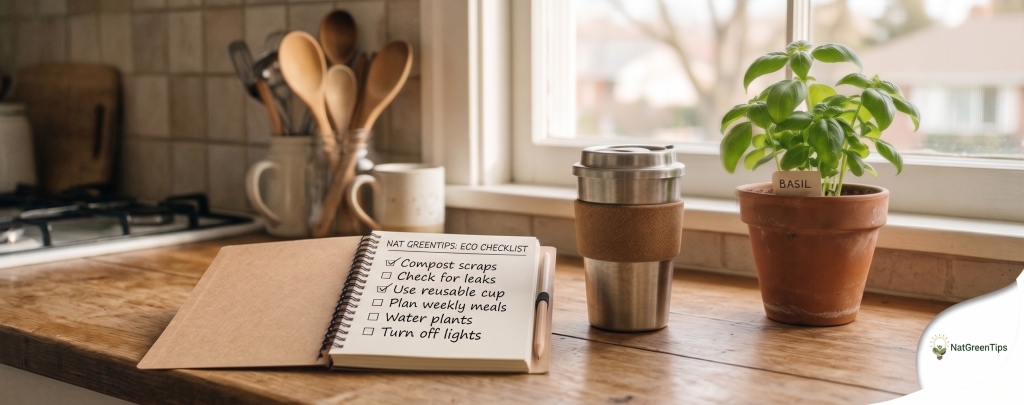
The best way to start isn’t with a massive lifestyle overhaul; it is with a simple green habits checklist. Small, daily actions don’t just help the environment—they have a direct, measurable impact on lowering your utility and grocery bills.
If you are looking for practical ways to lower your monthly bills naturally, this checklist is your starting point. It focuses entirely on the “quick wins” that take very little effort but add up to significant savings over a year.
Quick Answer: What are the best daily green habits?
The most effective daily green habits include washing your laundry in cold water, unplugging unused “vampire” electronics, using a reusable water bottle, and doing a quick fridge scan before dinner to prevent food waste.
By following a simple green habits checklist, you can systematically reduce your household’s energy, water, and food consumption, directly lowering your monthly bills.
How to use this checklist
The fastest way to fail at building new habits is trying to do all of them at once. Do not look at this checklist and try to implement every single point by tomorrow morning.
Instead, you can try to pick two or three things to focus on this week. Write them on a sticky note and put it on your fridge, and once those actions feel completely natural like remembering to turn off the tap while brushing your teeth (believe it or not, some folks struggle to remember this), come back and pick two more. Consistency is far more powerful than intensity.
Related reading: Sustainable living on a budget for beginners.
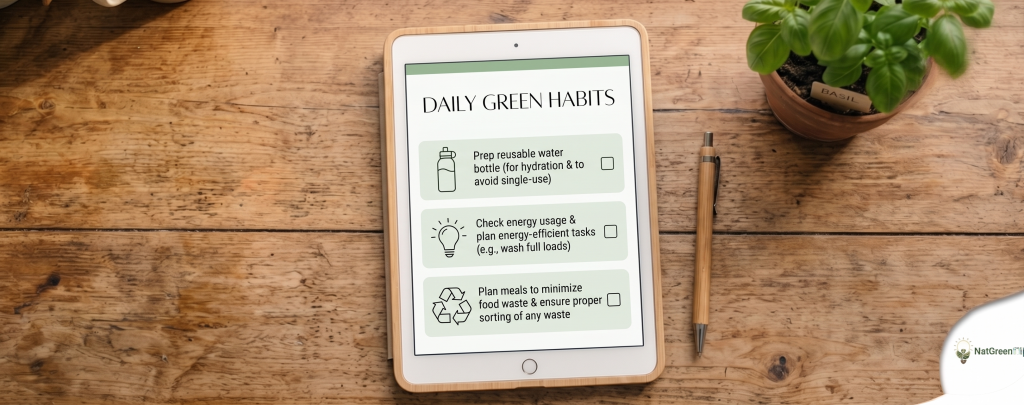
Daily Green Habits (The Quick Wins)
These are the smallest actions. They take seconds to do but tackle the daily waste that slowly drains your wallet.
- Unplug “Vampire” Electronics: Devices like coffee makers, chargers, and TVs use a small amount of “phantom” energy even when turned off. Unplug them when not in active use.
- Turn Off the Tap: Turn the water off while brushing your teeth or actively scrubbing dishes. It saves gallons of water per day.
- Carry a Reusable Water Bottle: Stop buying convenience drinks when running errands. Fill a bottle before you leave the house.
- Do a “Fridge Scan”: Before deciding what to make for dinner, take 30 seconds to look in the fridge. Build your meal around whatever ingredient is closest to expiring. Related reading: pantry and fridge organization tips.
Weekly Green Habits (The Money Savers)
These habits require a tiny bit of planning, but they are where you will see the most noticeable reduction in your bills.
- Wash Laundry on Cold: Turn the dial to cold for every load. Up to 90% of a washing machine’s energy goes toward heating the water.
- Air-Dry One Load: Pick the easiest items (like jeans, workout gear, or delicates) and hang them on a rack instead of using the dryer.
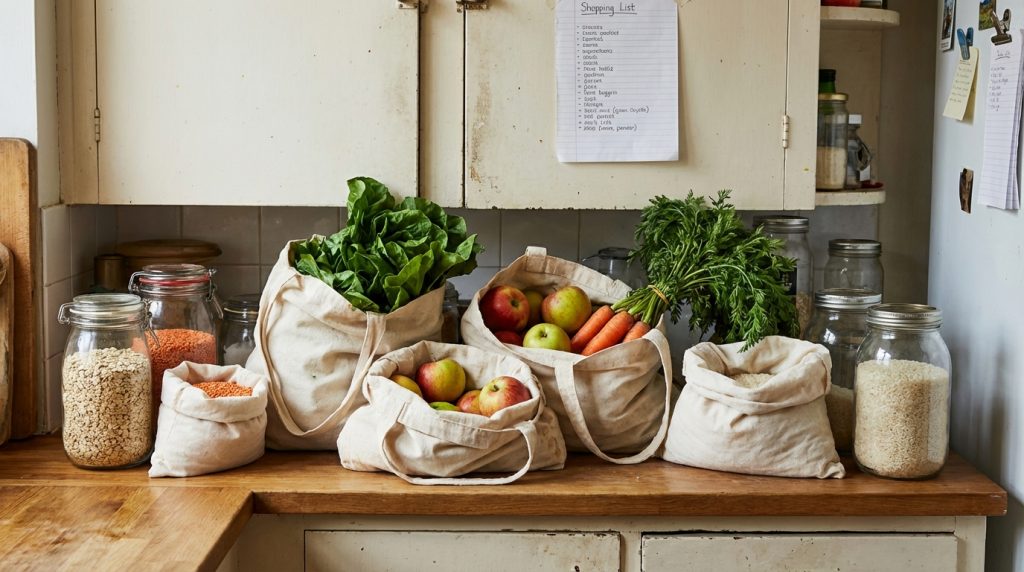
- Plan Your Meals: Before grocery shopping, write a strict list based on meals you plan to eat. This prevents impulse buys and guarantees you only buy what you need.
- Have a “Leftovers Night”: Dedicate one night a week to eating whatever is left in the fridge. It prevents food waste and gives you a night off from cooking. Related reading: how to save money on laundry.
Monthly Green Habits (The Maintenance Steps)
These are the background maintenance tasks that keep your home running efficiently.
- Clean Your Machine Filters: Check the lint trap in your dryer before every load, but also check your washing machine and dishwasher filters monthly. A clean machine runs more efficiently and uses less electricity.
- Review Your Pantry: Spend 5 minutes moving older cans and boxes to the front of your shelves (the FIFO method) so nothing expires hidden in the back.
- Make One Swap: When a disposable item runs out (like paper towels or plastic wrap), replace it with a reusable alternative (like cotton cloths or silicone lids) instead of buying the disposable version again. Related reading: cheap eco-friendly swaps that save money.
Why these small habits actually work
It is easy to look at a habit like “washing on cold” and think, That only saves me a few cents, why bother?
But sustainable living is about the compounding effect. Saving twenty cents on a load of laundry, five dollars by not buying a coffee out, and ten dollars by eating leftovers instead of letting them rot that adds up. Over a month, these small habits can easily shave $30 to $50 off your household expenses. Over a year, that is real money back in your pocket.
Beyond the math, building these small habits shifts your mindset. Once you get used to looking for efficiency in your laundry, you start naturally looking for it in your grocery shopping and your energy use.
FAQ
Which of these habits saves the most money?
Reducing food waste through meal planning and the “fridge scan” will save you the most money. The average household throws away hundreds of dollars of uneaten food every year.
How long does it take to see a difference in my bills?
You will likely see a drop in your grocery bill within the first two weeks of strict meal planning. Utility bill changes (like washing on cold and air-drying) will be noticeable on your next monthly statement.
Do I need to buy anything to start these habits?
No. The beauty of this simple green habits checklist is that it relies on behavioral changes (doing things differently) rather than purchasing new “eco-friendly” products.
Our Conclusion
Lowering your monthly bills naturally doesn’t require a massive budget or a stressful lifestyle change. It simply requires a little bit of intention.
By adopting a few simple green habits, you can stop paying for wasted energy, wasted water, and wasted food. Start today: pick two items from the daily list above, and prove to yourself how easy it is to save money while living a little greener.
—
Want to keep this list handy? Join our newsletter to get more budget-friendly sustainability tips sent straight to your inbox, and download the free printable version of this checklist!