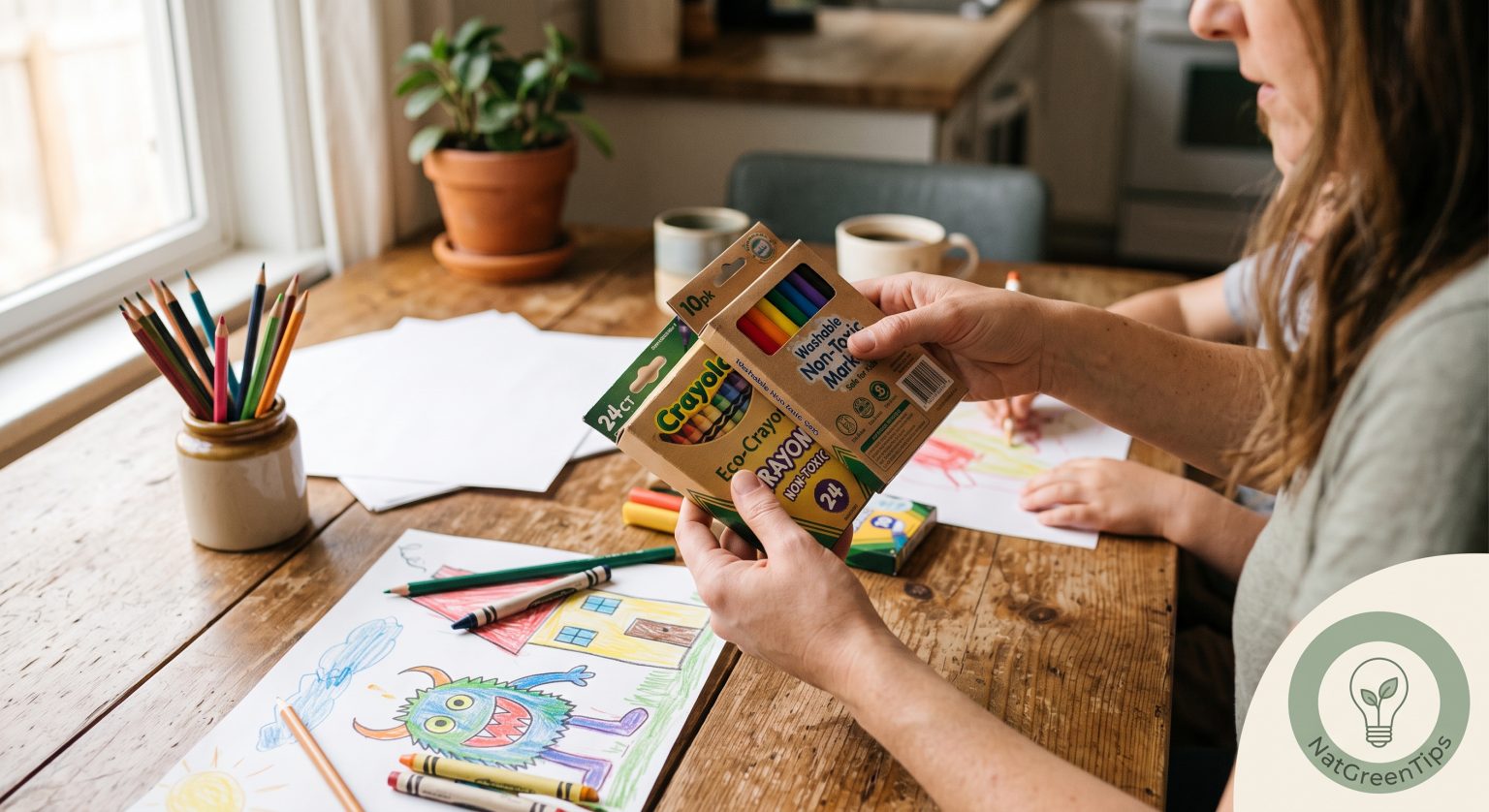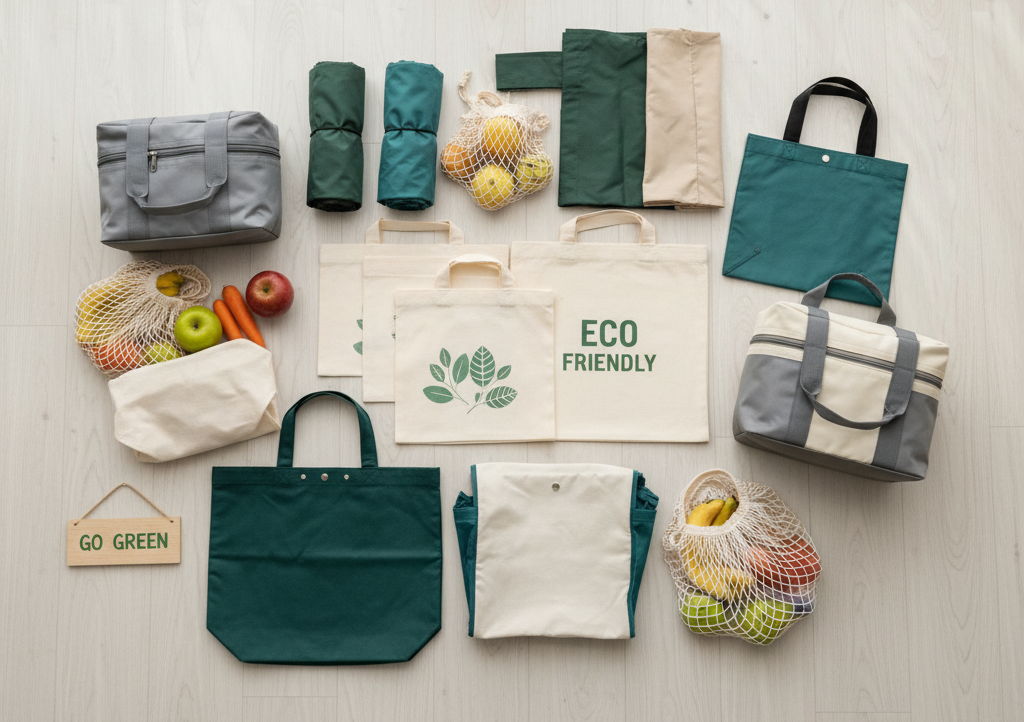
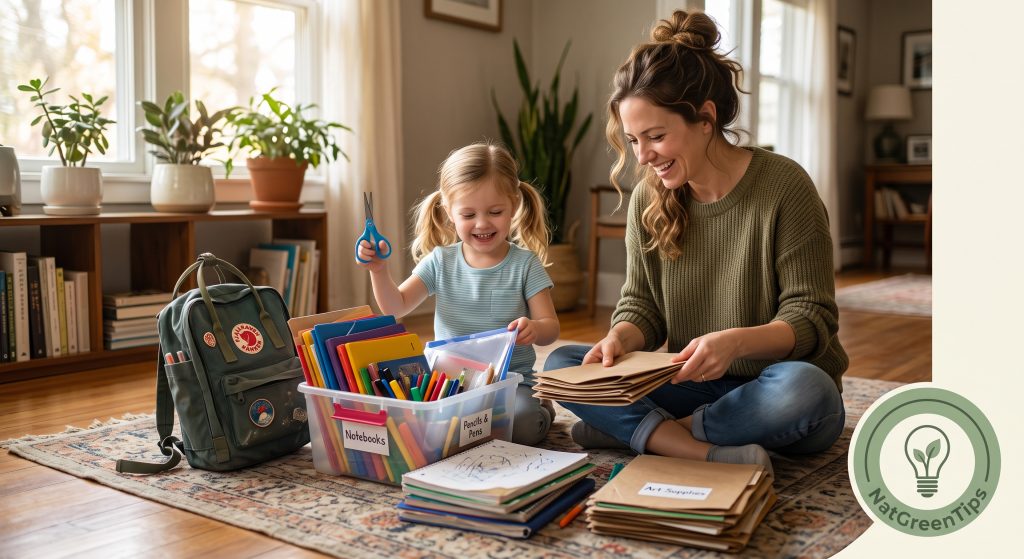
For years I didn’t reuse school supplies at all, buying a completely fresh set every August without really questioning whether last year’s items were actually done, until I did a proper audit one year out of curiosity and realized well over half of what was in the closet was still perfectly usable. That audit has become an annual first step now, before any new shopping happens.
Quick Answer
Reuse last year’s school supplies by doing a full audit of what’s in the house before shopping, sorting items into keep, donate, and recycle categories, and specifically checking often-overlooked categories like binders, rulers, scissors, and backpacks, which tend to have plenty of life left even after a full school year.
What’s usually still good after a full school year
This list surprised me the first year I actually did the audit. I’d been buying fresh versions of nearly everything on it out of habit, not because the old ones had actually failed.
- Binders and folders, unless the covers are visibly torn
- Scissors, rulers, and other tools, which rarely wear out from a single year of use
- Backpacks, if the zippers and seams are intact
- Calculators and other tech tools that don’t get consumed like paper supplies
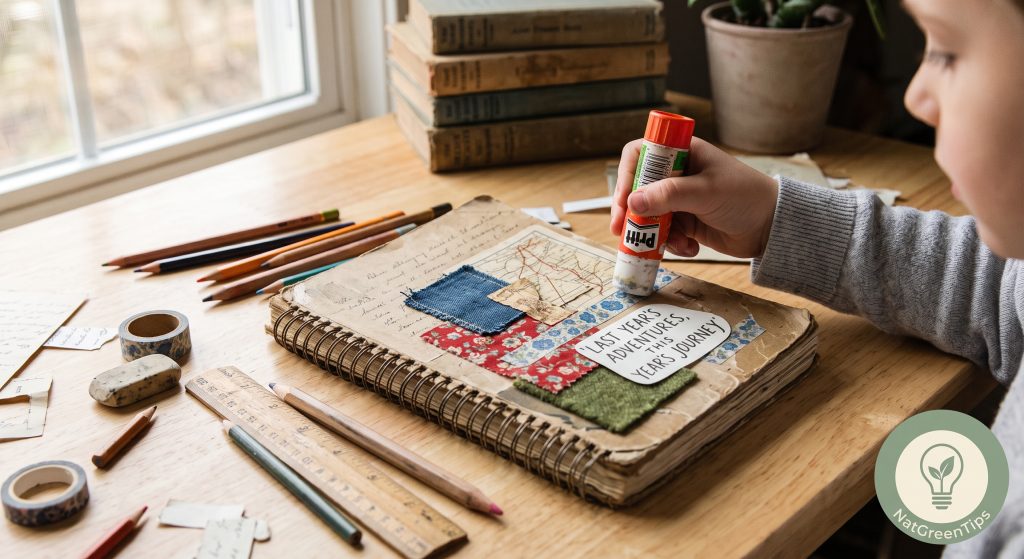
- Partially used notebooks: the unused pages are still usable, even if a subject changes
What genuinely does need replacing each year
- Pencils and pens that have actually been used up
- Erasers worn down significantly
- Glue sticks that have dried out
- Items that are visibly broken or badly worn, not just used
How I actually do the audit now
I set aside about thirty minutes before we start shopping and go through the supply bin item by item against the new list, sorting into three piles: keep as-is, needs replacing, and donate (for anything we have duplicates of or my kids have simply outgrown interest in, like an old character-branded folder).
This step alone has cut our new-purchase list by close to half most years, which is a bigger single lever on the back-to-school budget than any sale or coupon I’ve found.
What to do with genuinely leftover supplies
Items we have too many of, or that don’t fit this year’s specific list, go to a local school supply donation drive, several charities and schools run these specifically before the school year, and it keeps unused supplies out of a closet where they’d just sit unused for another year.
I’ve also started donating directly to my kids’ teachers, since many teachers buy classroom supplies out of pocket and are always glad to take spare folders, pencils, or notebooks off a parent’s hands.
The mental shift that made this stick
I used to feel a slight pull toward “fresh start” energy every August, buying everything new as a way of marking the transition, even when it wasn’t strictly necessary. Reframing the audit as its own small back-to-school ritual, going through the bin together with my kids, has actually replaced some of that fresh-start feeling in a way that doesn’t require new purchases.
My kids have gotten into it too, treating it almost like a treasure hunt for what’s still usable, which has made the whole process feel less like a chore and more like part of the back-to-school routine itself.
What I’d tell someone trying this for the first time
Do the audit before you look at the new list at all, so you’re not comparing what you have against a mental image of a fully-stocked fresh set. Go through what’s in the house first, then check the actual list against it.
And don’t feel obligated to keep everything just because it’s still technically usable, a genuinely worn-out backpack strap or a folder held together with tape isn’t worth keeping over a proper replacement, even in the name of reuse. While you’re auditing, it’s also a good moment to check older vinyl binders or pencil cases against our guide on phthalates in school supplies, since those are worth replacing sooner regardless of wear.
A simple system to reuse school supplies year after year
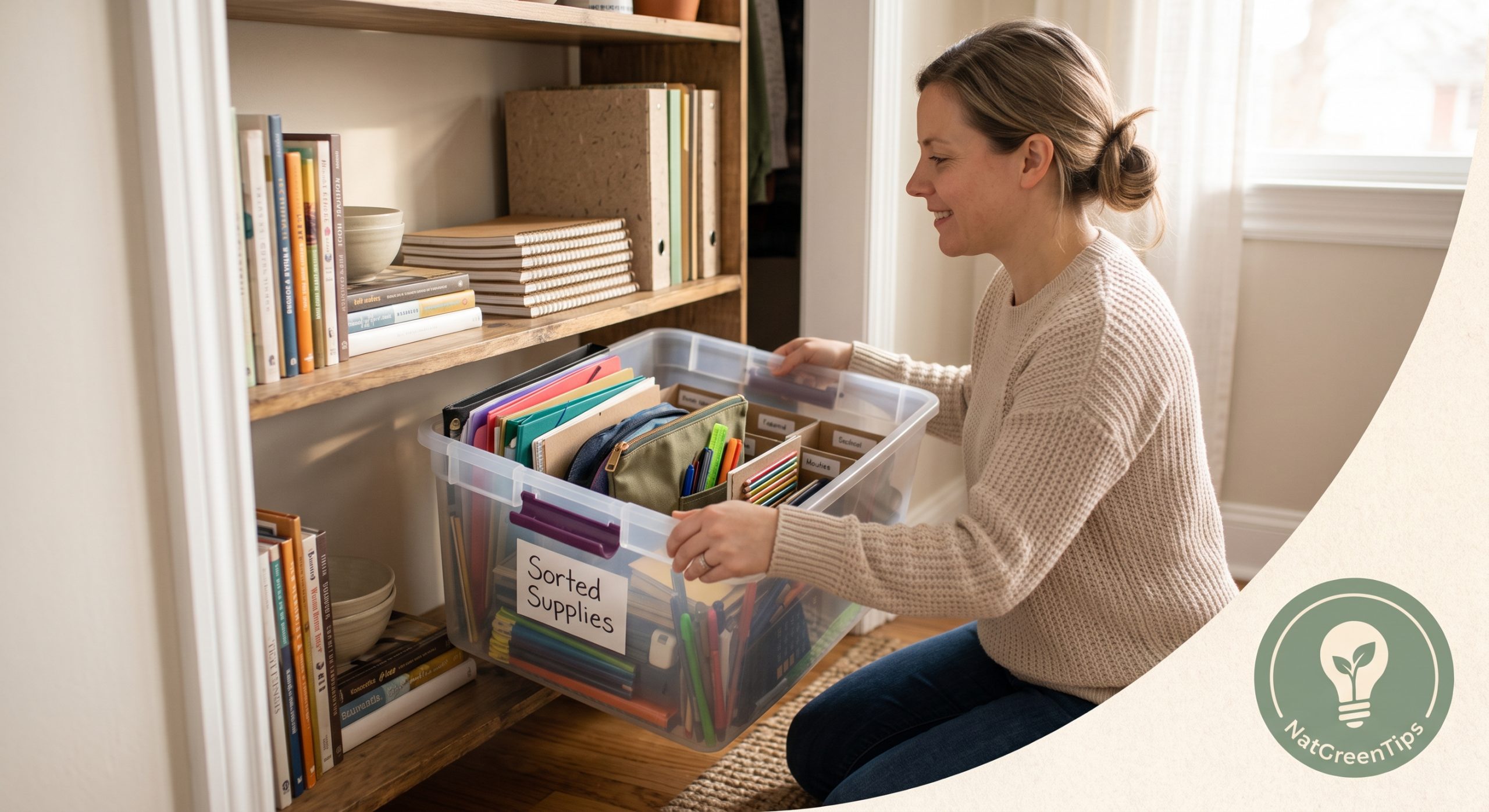
The audit only works if what’s still good actually survives the summer in usable shape, so I added one more habit: a labeled storage bin that goes into the closet the day school ends, not whenever I get around to it. Everything that passed the “still good” sort goes straight in, rather than getting scattered across backpacks, bedrooms, and the car for three months until August arrives and I can’t find half of it.
I keep the bin sorted loosely by category, tools in one bag, binders and folders stacked flat, tech items in their own smaller pouch, so the audit itself takes less time each year and nothing gets missed simply because it’s buried under a pile of unrelated things. Setting up this system once has made it dramatically easier to reuse school supplies every year since, instead of re-deciding the whole process from scratch each August.
Where this habit genuinely breaks down
I’ll be honest that not everything is a good candidate to reuse school supplies on. Workbooks that get written directly into obviously don’t carry over, and some grades have specific requirements (a particular calculator model, a specific binder size) that make last year’s version incompatible even if it’s in perfect condition. I don’t force a reuse where it doesn’t genuinely fit, that just creates friction on the first day of school for no real saving, and it undermines the trust I’m trying to build with my kids that this process is actually about what makes sense, not just cutting corners everywhere possible.
The habit also depends on actually doing the audit consistently, the one year I skipped it because we were traveling right before school started, we ended up buying several duplicates we already owned, discovered only when unpacking from the trip weeks later. That one slip-up cost us more in duplicate purchases than the audit itself has ever taken in time, which is what finally convinced me to treat it as a non-negotiable step rather than something to do only when there’s a spare half hour.
Frequently Asked Questions
🌿 How much can this actually save on the school supply budget?
In our case, roughly half of what we would have spent buying everything fresh, since we reuse school supplies wherever they still genuinely work, and it varies depending on how much actually wore out during the previous year.
🌿 What if my kid doesn’t want to use last year’s stuff?
I’ve found framing it as their choice within the audit, letting them decide which specific items to keep or replace, helps a lot with buy-in, rather than it feeling imposed on them.
🌿 Where can I donate genuinely unused extra supplies?
Local school supply drives, direct donations to teachers, or a nearby community donation center are all options I’ve used, depending on what’s actually available near us that particular year.
🌿 Is it worth doing this audit even if my kids are starting a new grade with different requirements?
Yes. General-purpose items like scissors, rulers, and backpacks usually carry over regardless of grade, even if specific subject supplies change.
🌿 What’s the best way to store supplies over the summer so I can reuse them?
One labeled bin, sorted loosely by category, packed away the day school ends rather than left scattered across bags and rooms. That single habit change is what made the audit fast enough that I’ve stuck with it every year since.
Final NatGreen thoughts
Learning to reuse school supplies starts with one thirty-minute audit of what’s already in the house, done before you look at this year’s list, it’s the single biggest lever on the school supply budget, bigger than any sale or coupon.
Ready to try it? Set a timer for thirty minutes tonight and go through the supply bin with your kids before you shop for a single new item.