I used to walk out of thrift stores with a bag full of things that seemed like a steal in the moment and then never left my closet again. It took a genuinely embarrassing number of wasted trips before I figured out that thrifting and being sustainable as I shop clothing is less about luck and more about a few habits I now stick to every single time.
Quick Answer
Shop secondhand effectively and sustainably by going in with a specific list, checking fabric and seams before checking the price tag, trying items on immediately rather than assuming they’ll fit, and setting a time limit per visit. This keeps thrifting fast, intentional, and budget-friendly instead of an overwhelming browse.
Go in with a list
Browsing without a goal is exactly what used to turn my thrifting trips into two-hour time sinks. Now, before I go, I note 3-5 specific gaps in my wardrobe: a black blazer, a warmer coat, jeans that actually fit, and I focus my search on those sections first.
It’s made a real difference in how much I actually wear afterward. I’d estimate I used to wear maybe half of what I bought secondhand; now it’s closer to nine out of ten pieces, just from being more targeted about what I’m looking for.
Inspect before you consider price
I now bring my phone flashlight for exactly this reason: thrift store lighting is often dim or warm-toned, which hides stains and discoloration that show up clearly the moment you get the item home.
- Check seams and stitching for fraying or weak points.
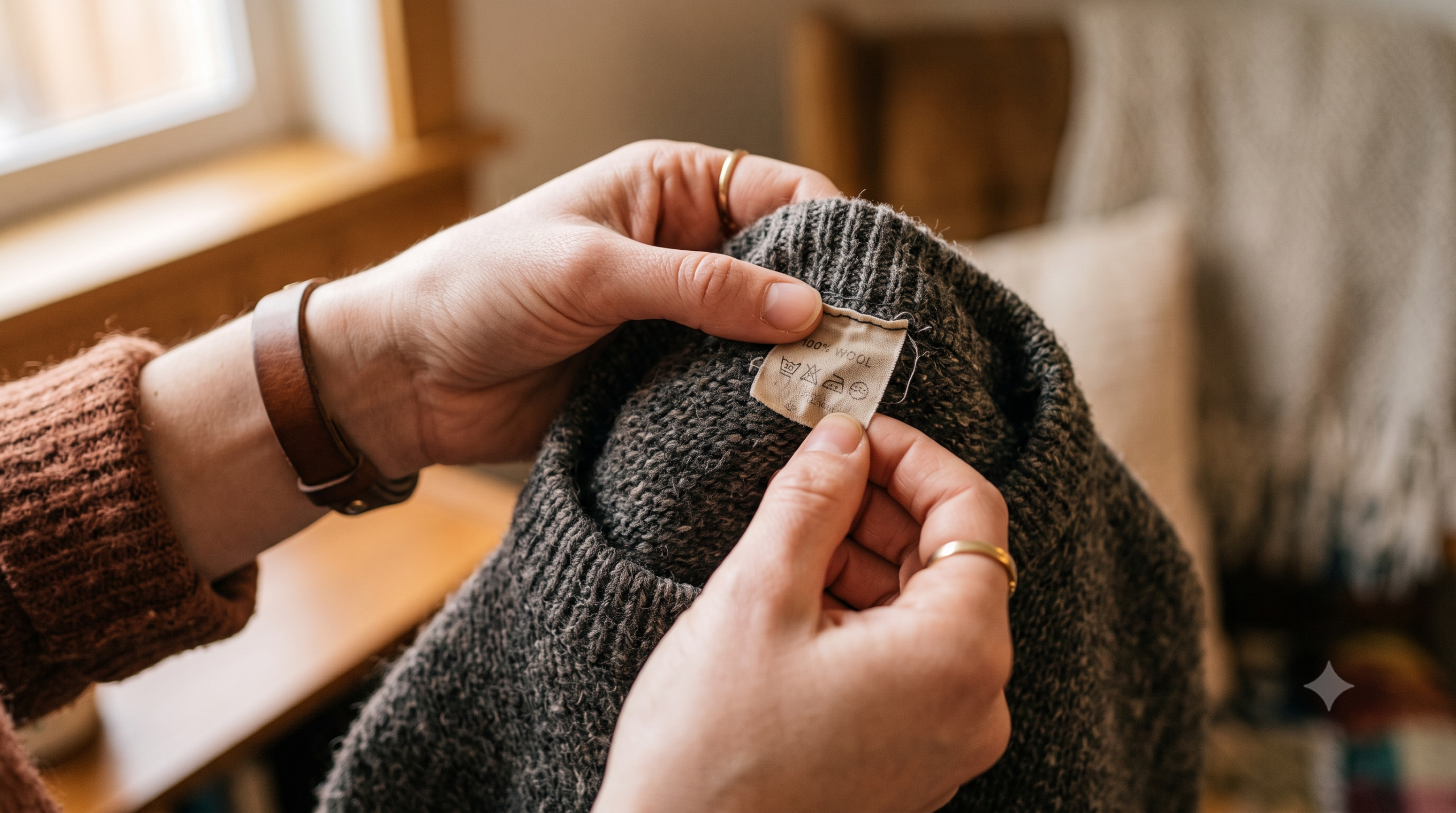
- Look at the fabric composition tag. Natural fibers usually last longer, and I check this every time now.
- Check zippers and buttons actually function.
- Check for stains under good lighting, not the flattering store lighting. I learned this after buying a shirt with a stain I didn’t notice until I got home.
Try it on immediately
Secondhand sizing varies wildly across decades and brands. I no longer assume my usual size will fit, I try everything on in-store rather than gambling on a purchase I’ll never bother returning to exchange.
This single habit change probably saved me more money than any other tip on this list, since ill-fitting clothes were the single biggest source of my old thrifting regret.
Set a budget and a time limit
I give myself about 30-45 minutes and a dollar cap before I even walk in. Both constraints stopped my old habit: buying five things because they were cheap, not because I actually needed them.
I use a timer on my phone now, honestly, because without it I’d lose track of time entirely once I start browsing a good rack.
How I decide what to skip, even at a great price
The hardest discipline in thrifting is walking past something that’s genuinely a great deal but doesn’t fit your list or your existing wardrobe. I’ve had to train myself to ask: if this were full price, would I still want it? A five-dollar price tag has talked me into some genuinely bad purchases in the past, so I try to evaluate the item on its own merits first, price second.
If I’m on the fence, I take a photo of the item and think about it for a minute or two rather than deciding on the spot. That small pause has stopped a lot of impulse buys I would have regretted.
What a typical trip looks like for me now
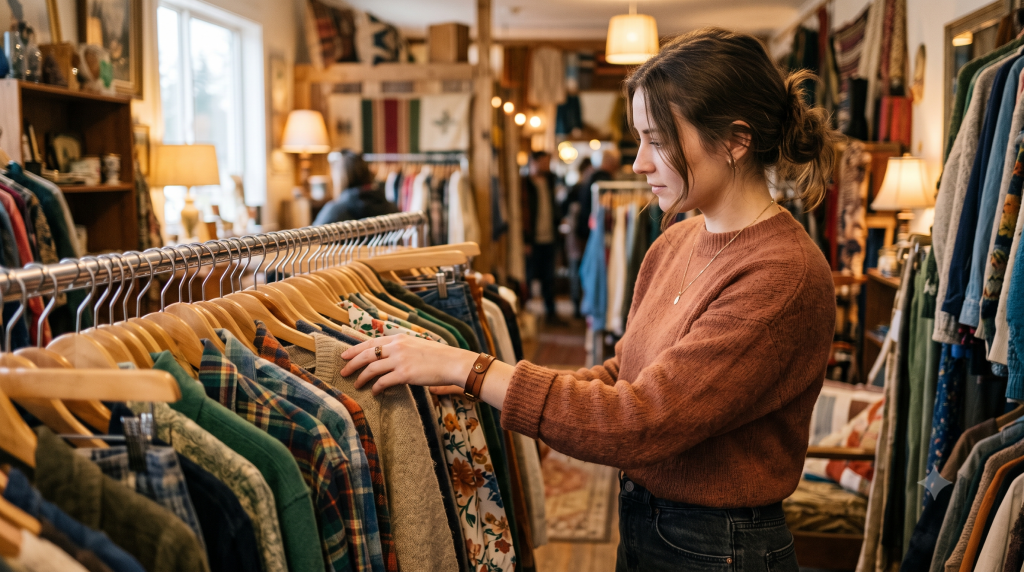
I head straight to the section relevant to my list, spend the bulk of my time there, and only browse the rest of the store if I have time left over on my timer. I inspect and try on as I go rather than piling things up to try on all at once at the end, which used to lead to decision fatigue and a lot of “eh, I’ll just get it” purchases near closing time.
It sounds almost too simple, but treating a thrift trip with the same intentionality as a regular shopping trip, rather than as a treasure hunt with no rules, is really the whole shift that made this work for me.
Online secondhand versus in-person thrifting
If you ask me, I do both, but they solve different problems for me. In-person thrifting is where I go when I have a specific gap to fill and want to try things on immediately. Online secondhand marketplaces are better for very specific searches, a particular brand or size I already know fits me well, since I can filter by size and measurements rather than digging through racks.
The trade-off with online shopping is you can’t inspect the item in person before buying, so I only buy online from sellers with detailed photos of any flaws and a reasonable return policy. I’ve been burned once by a listing that didn’t disclose a stain, and I’m more careful about seller reputation now as a result. Sites like www.Maxsold.com and even Facebook Marketplace do often offer some very interesting deals, helping you save money and generally be better from a sustainability point of view.
Getting to know your regular spot
Once I found a thrift store near me with consistently good stock, I started popping in more casually rather than treating every visit as a big planned trip. Getting friendly with the staff paid off in a small way I didn’t expect: one of them mentioned a designated slower shopping day when new stock got out on the floor without a rush of other shoppers first.
That’s a minor thing, but it’s made my trips there noticeably more productive than showing up at random.
What I’d say to someone who’s tried thrifting and given up
If your past thrifting trips felt like a waste of time, I’d bet the issue wasn’t the store, it was going in without a plan. That was exactly my problem for years, and it made every trip feel like a gamble rather than a reliable way to shop.
Give the list-and-timer approach one real try before writing off secondhand shopping entirely. It changed thrifting from something that used to drain an afternoon into something I can now do efficiently in under an hour, with a much better hit rate on what actually comes home with me. Washing everything before it goes into rotation is part of that routine too. A good fabric shaver has made a bigger difference than I expected for reviving older secondhand knits that come home a little wrinkled or fuzzy.
How this connects back to the capsule wardrobe approach
Thrifting with a specific list works so much better once you already know your capsule wardrobe’s color palette and gaps. The two habits reinforce each other. Before I built my capsule wardrobe, I didn’t have a clear list to bring to the thrift store in the first place, which was part of why my old trips were so unfocused.
If you’re building both habits at once, I’d start with a rough capsule plan first, even a loose one, since it gives your secondhand shopping an actual direction instead of leaving you to browse everything with no filter.
Frequently Asked Questions
🌿 What days are best for thrifting?
Many stores restock early in the week after weekend donations are sorted. Calling ahead to ask about restock days has saved me more than one wasted trip.
🌿 How do I avoid buying things I won’t wear?
I stick to my list and ask whether it fits my existing capsule wardrobe colors before buying. If it doesn’t pair with at least two things I own, I skip it, no matter how good a deal it seems.
🌿 Is secondhand clothing less hygienic?
No, as long as you wash items before wearing them, which you should do with new clothing too. I always wash everything before it goes into rotation.
🌿 What’s the one thing you never skip checking?
Seams, every time. A great fabric with a seam that’s already pulling apart just means the item falls apart faster once it’s home. I’ve learned that lesson more than once.
🌿 Do you ever negotiate prices at thrift stores?
Occasionally, mostly at independent shops rather than large chains, and usually only for a flaw I’ve spotted like a small stain or missing button. It doesn’t always work, but it’s worth a polite ask.
Final NatGreen thoughts
Secondhand shopping doesn’t have to be a gamble on your time or your money. A list, a flashlight, and a timer turn it into something a lot closer to a regular, efficient shopping trip. It pairs especially well once you know your own wardrobe well enough to shop with intention.
Ready to try it? Write down three specific gaps in your wardrobe, set a 30-minute timer, and head to your nearest thrift store this week. That’s the whole system.