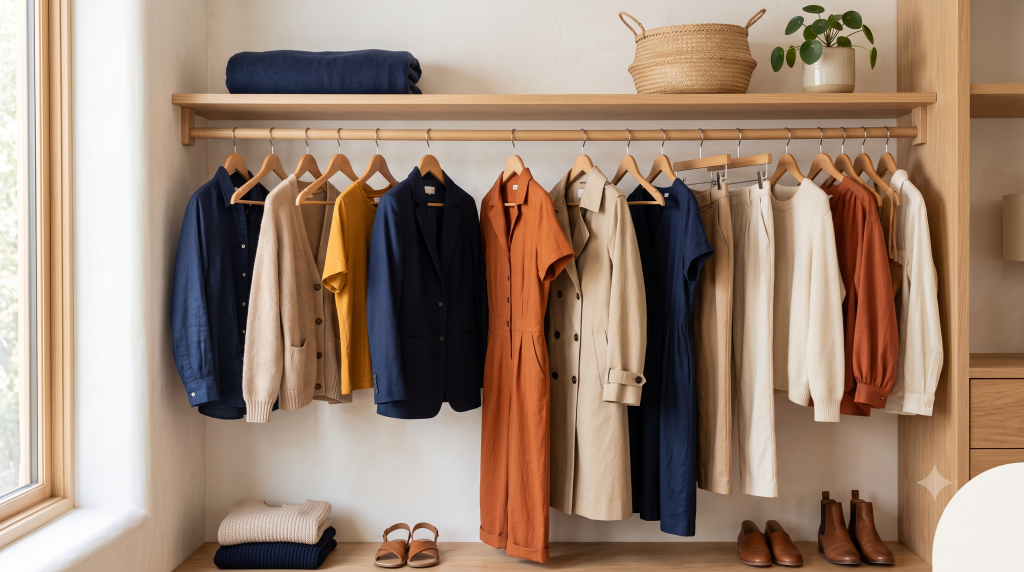
A couple of years ago I stood in front of a closet that was, by any reasonable measure, full and I still stood there most mornings thinking I had nothing to wear (I’m sure a lot of you can relate). It took me embarrassingly long to realize the problem wasn’t a shortage of clothes, it was that almost nothing in there actually worked with anything else. Building a sustainable capsule wardrobe was the fix, and it turned out to be one of the more sustainable changes I’ve made, almost by accident.
Quick Answer
A sustainable capsule wardrobe is a small, intentional collection of clothing, typically 25 to 35 pieces, all chosen so that most items mix and match with each other. The goal is fewer, better-made pieces worn more often, which reduces both closet clutter and the demand for constant new purchases.
Why fewer pieces actually means more outfits
The math here felt backwards to me at first: 30 well-chosen pieces that all coordinate can create more outfit combinations than 100 pieces that don’t match anything else in your closet. I didn’t believe it until I actually counted my own outfit combinations before and after, I eventually found I had more genuinely different looks with a third of the clothes.
The reason is combinatorial: if every top works with every bottom, the number of outfits grows fast even with a small number of pieces. My old closet had plenty of volume but almost no overlap between pieces, which is what made it feel so limited despite being packed.
Start with a color palette
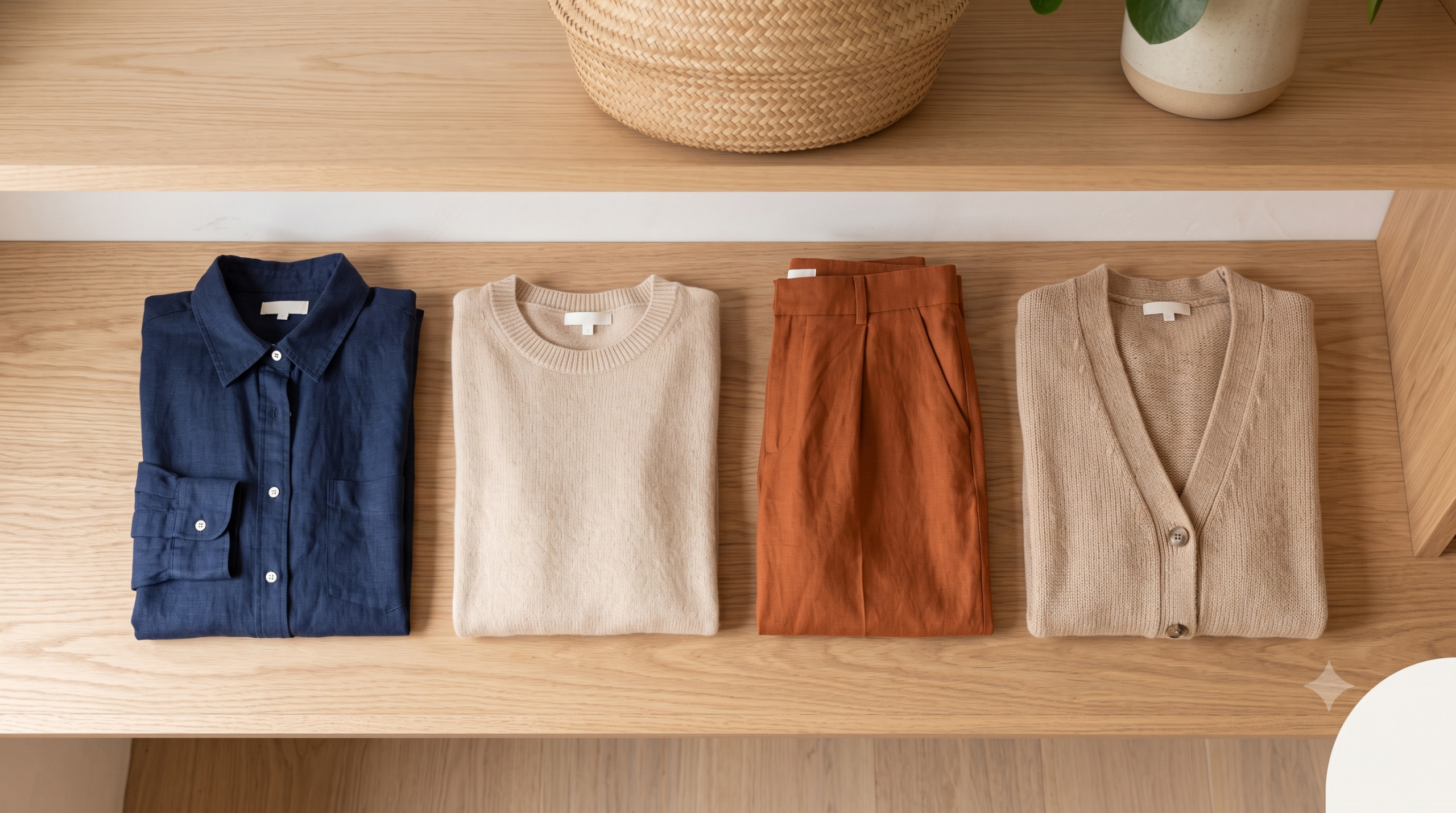
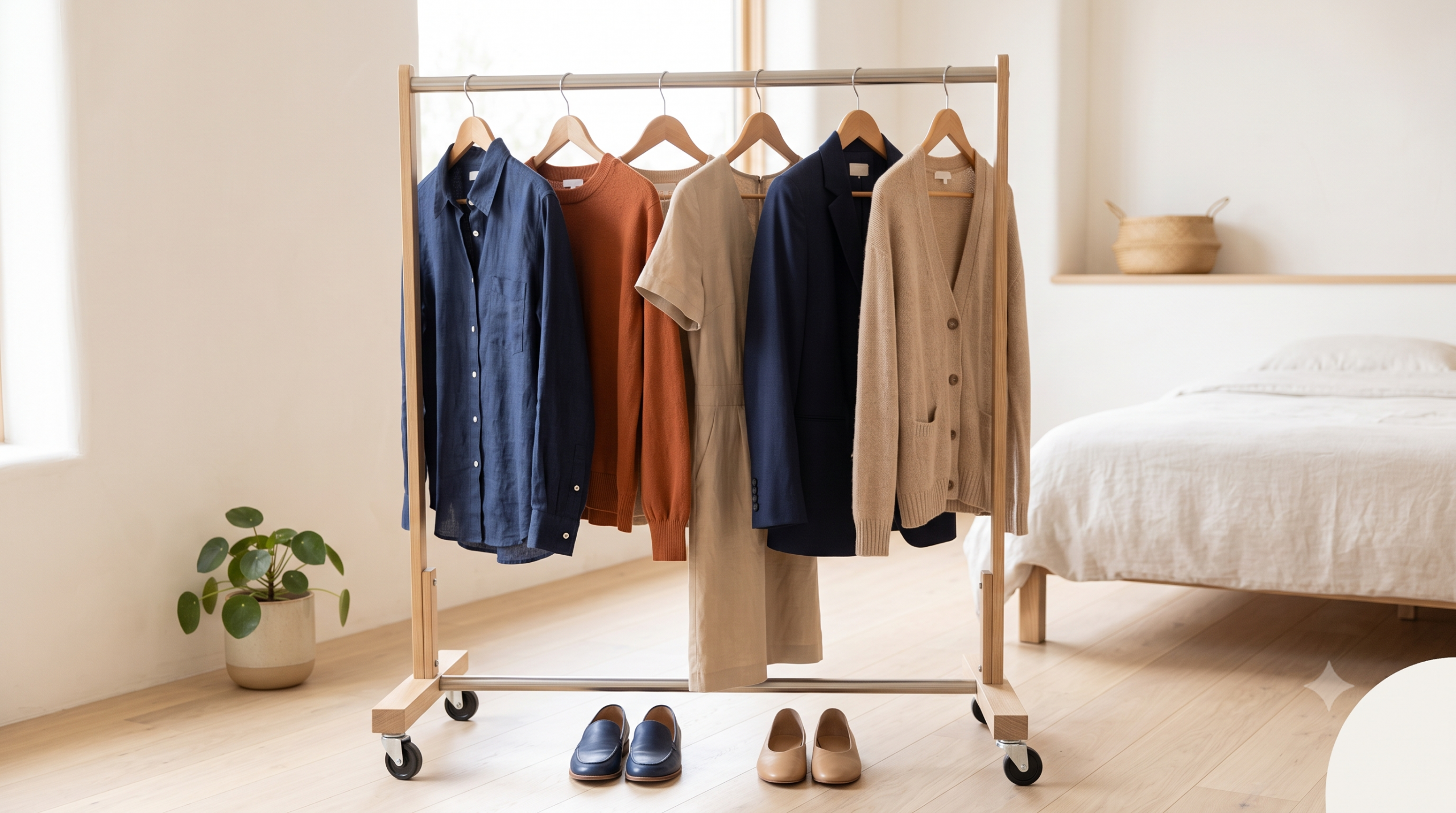
I picked two neutral base colors (navy and beige, since that’s what I already gravitated toward) and one accent color. The rule I set for myself: every new piece has to work with at least two others already in the closet, or it doesn’t come home with me. That one rule alone stopped almost all of my impulse buys.
It took some trial and error to land on the right palette and my first attempt leaned too heavily into black, which made my wardrobe feel a bit flat and interchangeable in a boring way rather than a versatile one. Adding a single warmer accent tone changed that without adding much bulk.
The core categories to build around
I built mine in roughly that order over about four months, not all at once. Trying to assemble a full capsule in a single weekend is what led to my worst purchases in the past, buying under pressure to “complete” something rather than waiting for the right piece to actually show up.
- 5-7 tops that pair with everything
- 3-4 bottoms in neutral colors
- 1-2 versatile dresses (if you wear them)
- 2-3 layering pieces (cardigans, blazers, jackets)
- 2-3 pairs of shoes that work across occasions
Where I actually sourced my pieces
I want to be honest that I didn’t buy everything secondhand right away, old habits are hard to break. What worked was starting with an audit of what I already owned, then filling genuine gaps with secondhand finds first, and only buying new for things I genuinely couldn’t find used, like a properly fitted pair of work shoes.
About 70% of my current capsule is secondhand or things I already owned; the rest is new pieces I plan to keep for years, not seasons. The audit step mattered more than I expected; I found three tops in the back of my closet that fit the palette perfectly and had just been buried under clutter I’ve since donated.
How I handle the pieces that don’t quite fit anymore
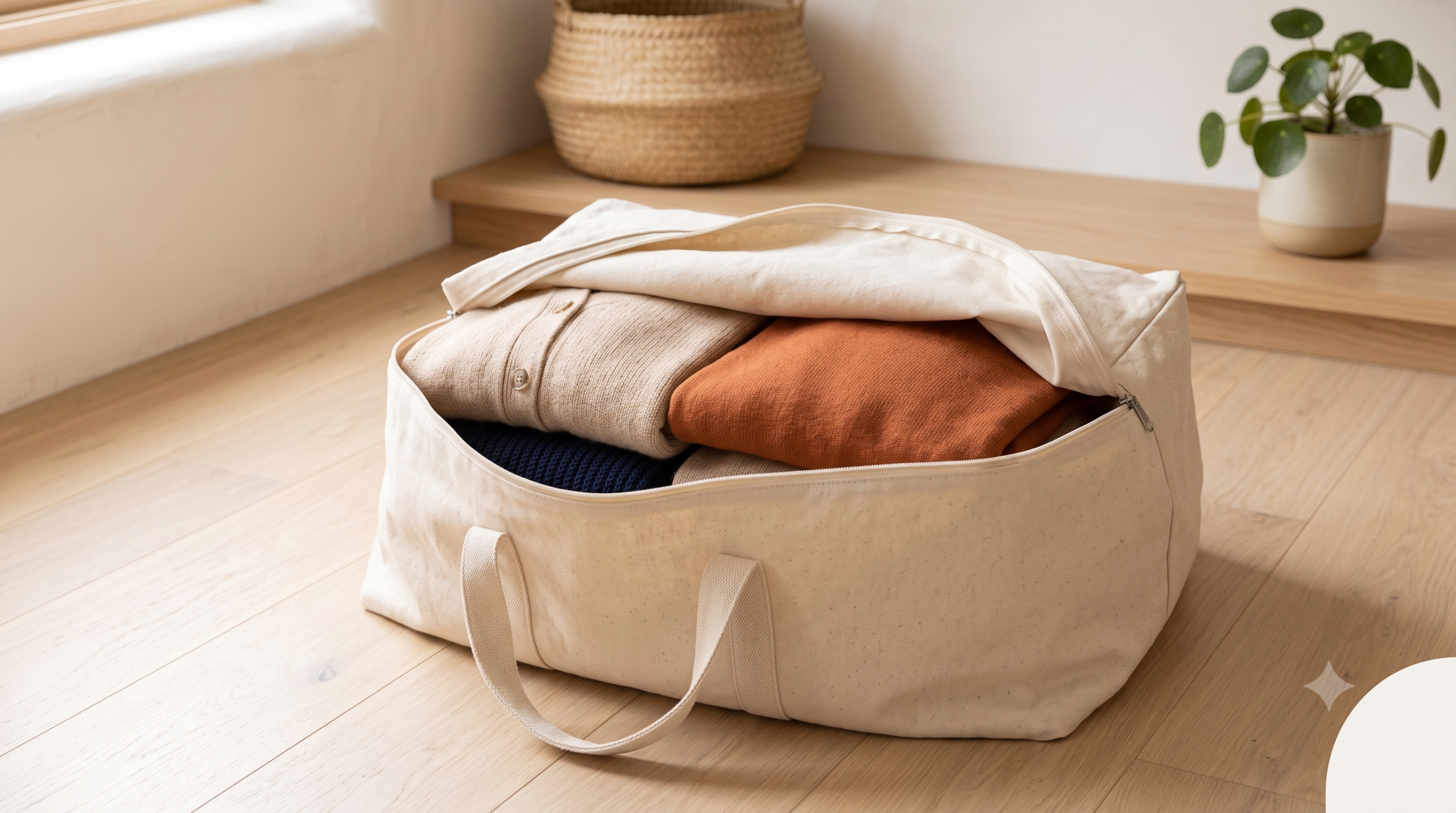
A capsule wardrobe isn’t static, and I’ve had to get comfortable with the idea that a piece I loved a year ago might not earn its spot going forward. Every few months I do a quick check: has this been worn in the last two months? If not, and it’s not a genuinely seasonal item, it goes into a donation bag.
I keep that bag in my closet year-round now instead of doing one big overwhelming purge annually. It’s a much smaller decision to make one piece at a time than to face a whole wardrobe overhaul at once.
Mistakes I made early on
My biggest early mistake was buying “aspirational” pieces of clothes for a lifestyle I didn’t actually have, like a blazer for meetings I rarely attend. They sat unworn and quietly broke the whole point of the capsule, which is that everything gets worn regularly.
The fix was asking a blunter question before every purchase: will I wear this within the next two weeks, not “someday.” That reframing cut my impulse buys dramatically and made the whole system click for me.
Building it around your actual life, not a Pinterest board
It took me a while to admit that a lot of the capsule wardrobe inspiration I was looking at online was built around lifestyles pretty different from mine, a lot of it assumed an office job with a dress code, or a climate much milder than where I live. Copying those lists directly gave me pieces that didn’t actually fit my week.
What worked better was tracking what I actually did in a typical week for about a month, so work, errands, the occasional evening out and building categories around those real activities instead of an idealized version of my life. My capsule ended up heavier on casual layering pieces and lighter on formal wear than most of the guides I’d been looking at, simply because that’s what my actual life called for.
How I handle occasions outside the everyday capsule
I don’t try to cram formalwear or very occasion-specific pieces into the core capsule, since they’d sit unused most of the year and drag down the “everything works together” principle the whole system depends on. Instead I keep a very small separate section, one dress, one blazer, for the handful of times a year I need something a bit dressier.
For anything rarer than that, I’ve started borrowing from friends or renting rather than buying, which keeps the core capsule lean and avoids owning single-use pieces that don’t really belong to the sustainability goal in the first place.
What I’d do differently if I started over
If I were starting from scratch today, I’d do the closet audit first and resist buying anything new for at least a month. Looking back, a good chunk of my early capsule purchases duplicated things I already owned but had simply forgotten about, buried in the back of a drawer.
I’d also give myself permission to build it more slowly than I did. Rushing to “complete” a capsule in a few weekends is what led to my worst purchases; the pieces I’m happiest with now are ones I waited for and found at the right price, secondhand, over several months.
Frequently Asked Questions
🌿 Do I need to buy expensive quality pieces?
Not necessarily, durability matters more than price. I check stitching, fabric weight, and care labels rather than assuming a higher price guarantees longer life. Some of my longest-lasting pieces were the cheapest ones on the rack. It’s worth knowing which fabrics tend to hold up and which ones to avoid before you buy, since that matters more than the price tag.
🌿 How often should I update my capsule?
I refresh a couple of pieces per season rather than overhauling the whole wardrobe, and that’s kept both cost and waste low for me.
🌿 What do I do with clothes I’m removing from rotation?
Donate, sell, or swap them rather than throwing them out, even worn items can go to textile recycling programs if they’re not in donatable condition.
🌿 Does a capsule wardrobe work if I have kids or a messier lifestyle?
Yes, though I’d lean toward more durable fabrics and a slightly larger shoe rotation. The core principle, fewer pieces that actually coordinate, still holds regardless of lifestyle.
Final NatGreen thoughts
A capsule wardrobe isn’t about owning less for its own sake, it’s about owning things that actually work together, so you stop buying out of frustration. Start with an honest closet audit before you buy anything new.
Related reading: Sustainable Living on a Budget for Beginners.
Ready to start? Pick your two neutral colors and one accent tone before you buy a single new piece, that one decision does most of the work.