If you spend more than five minutes on social media, you’ve seen the “Instagram version” of sustainable living.
It involves perfectly curated pantries filled with expensive glass jars, designer linen clothing, high-end electric vehicles, and “zero-waste” kits that cost hundreds of dollars. It looks beautiful, it looks aspirational, and for most of us, it looks completely impossible.
This polished version of sustainability has created a massive misconception: that living an eco-friendly life is a luxury reserved for the wealthy. But if I’m being honest, I believe the “green” industry has sold us a lie or better still it’s more of misconception. Sustainable living isn’t just about what you buy; it’s also more about what you “don’t” buy. It is a return to common-sense frugality and resourcefulness. When done right, sustainable living on a budget isn’t just affordable, it’s actually a wonderful way to save money.
We’ve put together some truths about what people get wrong when talking about or thinking of sustainable living on a budget.
Quick Answer: Is sustainable living actually expensive?
No. People get wrong that you have to buy your way into sustainability. In reality, the most sustainable (and budget-friendly) thing you can do is use what you already have, buy less, and focus on waste reduction rather than aesthetic reusables.
Sustainability is often marketed as a shopping list of new products, but true sustainable living on a budget is a series of behavioral shifts that lower your expenses while reducing your environmental impact.
Myth 1: You need to buy “The Kit”
One of the biggest hurdles for beginners is the feeling that they need to replace all their plastic containers, toothbrushes, and bags with “eco-friendly” versions immediately.
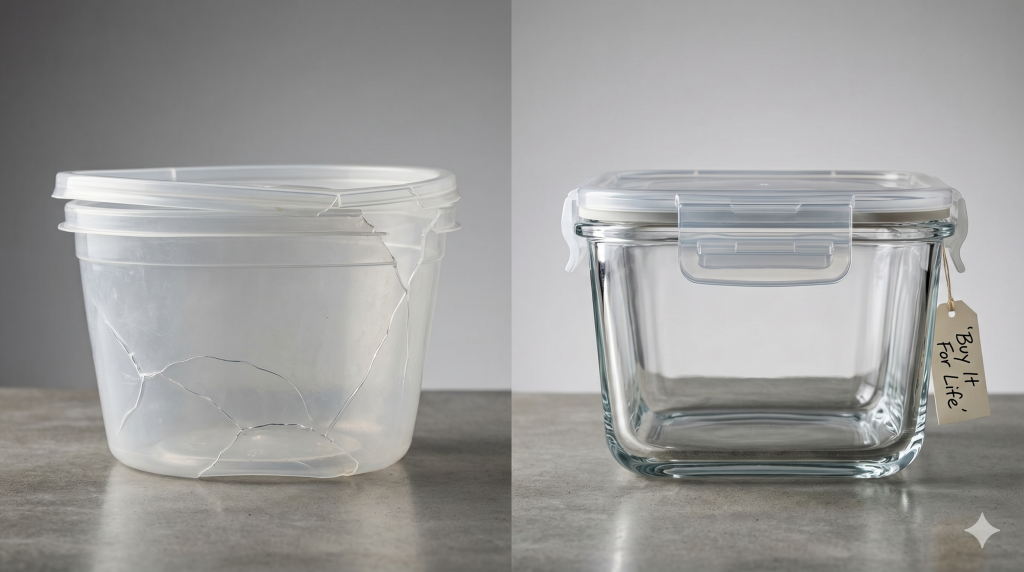
This is the opposite of sustainability. The most sustainable container is the one you already own—even if it’s plastic. Throwing away a functional plastic bin to buy a glass one is a waste of resources and money.
True sustainability is using what you have until it literally falls apart. When that plastic bin finally cracks, *then* you can look for a more durable glass or stainless steel alternative. Until then, your current stuff is perfectly green.
Related reading: What sustainable products are actually worth buying first?
Myth 2: It has to be all or nothing
The “zero-waste” movement has done a lot of good, but it has also created a “perfection trap.” People feel that if they can’t fit a year’s worth of trash into a single mason jar, they are failing.
If I’m being honest, that standard is a recipe for burnout.
We don’t need a handful of people doing zero waste perfectly. We need millions of people doing it imperfectly. Forgiving yourself for buying the plastic-wrapped berries because they were the only ones available is part of a realistic routine. Sustainability is about progress, not perfection.
Related reading: How to build a low-waste grocery routine.
Myth 3: It’s more expensive
This myth persists because “luxury green” brands get all the marketing. Yes, an organic cotton t-shirt for $80 is expensive. But repairing the shirt you already own is free.

When you distinguish between “lifestyle green” (buying things that look eco-friendly) and “frugal green” (habits that reduce waste), the math changes completely.
- Washing on cold saves money.
- Air-drying saves money.
- Meal planning saves money.
- Drinking tap water saves money.
Sustainability actually pads your savings account by eliminating the “convenience tax” we pay for single-use items. Related reading: Cheap eco-friendly swaps that save money.
Myth 4: It takes too much time
While some habits (like composting or line-drying) take a few extra minutes, most sustainable systems actually save you time in the long run.
An organized pantry means you spend less time searching for ingredients and making last-minute grocery runs. A low-waste grocery routine means you spend less time dealing with a mountain of recycling and trash every week.
Once the systems are built, they become a background part of your life. The time “cost” is an upfront investment that pays dividends in a simpler, more organized home. Related reading: Pantry and fridge organization tips.
The “Ugly” side of sustainability
True sustainable living on a budget isn’t always pretty.
- It’s the old, stained t-shirt that has been cut up into cleaning rags.
- It’s the pasta sauce jar being used to store leftovers.
- It’s the mismatched collection of second-hand furniture.
Embracing the practical over the pretty is the secret to staying on budget. You don’t need a designer bamboo cloth to wipe your counters; a rag works just as well. Don’t let the quest for an aesthetic kitchen stop you from making the practical changes that actually matter.
FAQ
Why is sustainable living marketed as expensive?
Because there is no profit in telling you to buy less. Companies market “green” products because they want you to keep consuming, just with a different label. True sustainability is a threat to the traditional consumption model.
Can one person really make a difference?
Yes. Beyond your direct impact on waste, your choices influence your community and the market. When enough people stop buying single-use plastics, companies are forced to change their packaging.
How do I handle “eco-guilt”?
By focusing on your wins. Instead of feeling guilty about the one piece of plastic you couldn’t avoid, celebrate the ten pieces you did avoid. Focus on the systems you *can* control.
Conclusion
Sustainable living on a budget isn’t a new list of things to buy, it’s a new way of looking at what you already have.
By busting these myths and focusing on the practical, “un-pretty” side of sustainability, you can build a lifestyle that is good for the planet and even better for your wallet. You are already doing enough. Focus on the systems, enjoy the savings, and remember that every small choice adds up over time.
—
Ready to start your realistic sustainable journey? Read our complete pillar guide on Sustainable living on a budget for beginners to find the easiest first steps for your home.