I hadn’t thought much about phthalates in school supplies until a friend mentioned a study testing common ones for them, and I went home and actually looked at what was in my own kids’ supply bin. A few items I’d bought for years without a second thought were exactly the kind of products the study flagged, which sent me down a genuine research rabbit hole before this year’s shopping trip.
Quick Answer
The school supplies most likely to contain phthalates are vinyl-based items, vinyl binders, vinyl pencil cases, vinyl backpacks, and some raincoat-style rain gear. Phthalates are used to soften PVC plastic, so checking for “PVC-free” or “phthalate-free” labeling, and generally avoiding shiny, flexible vinyl products, is the most reliable way to steer clear of them.
What phthalates actually are, and why they matter
Phthalates are chemicals used to make PVC plastic soft and flexible, they’re what gives vinyl products that flexible, sometimes slightly rubbery feel. They’ve been linked in research to a range of health concerns, particularly for developing children, which is why they’ve drawn scrutiny in kids’ products specifically.
The specific study my friend mentioned tested a range of common school supplies and found detectable phthalate levels in several vinyl-based items, which is what prompted me to actually check what was in our own supply bin.
The specific product categories worth checking
Once I knew what to look for, I realized two of the binders in our closet were exactly this kind of shiny vinyl material, and I hadn’t questioned it before.
- Vinyl 3-ring binders, a very common phthalate source in school supplies
- Vinyl pencil cases and pouches, especially shiny or extra-flexible ones
- Vinyl backpacks or backpacks with vinyl trim
- Vinyl raincoats and rain boots
- Some erasers, particularly cheaper, brightly colored ones
How I check a product now before buying
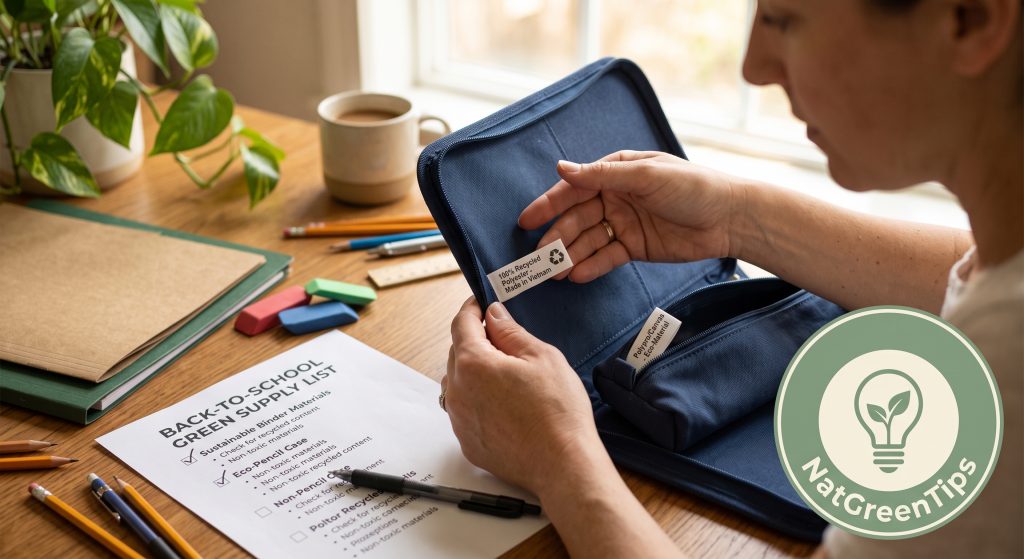
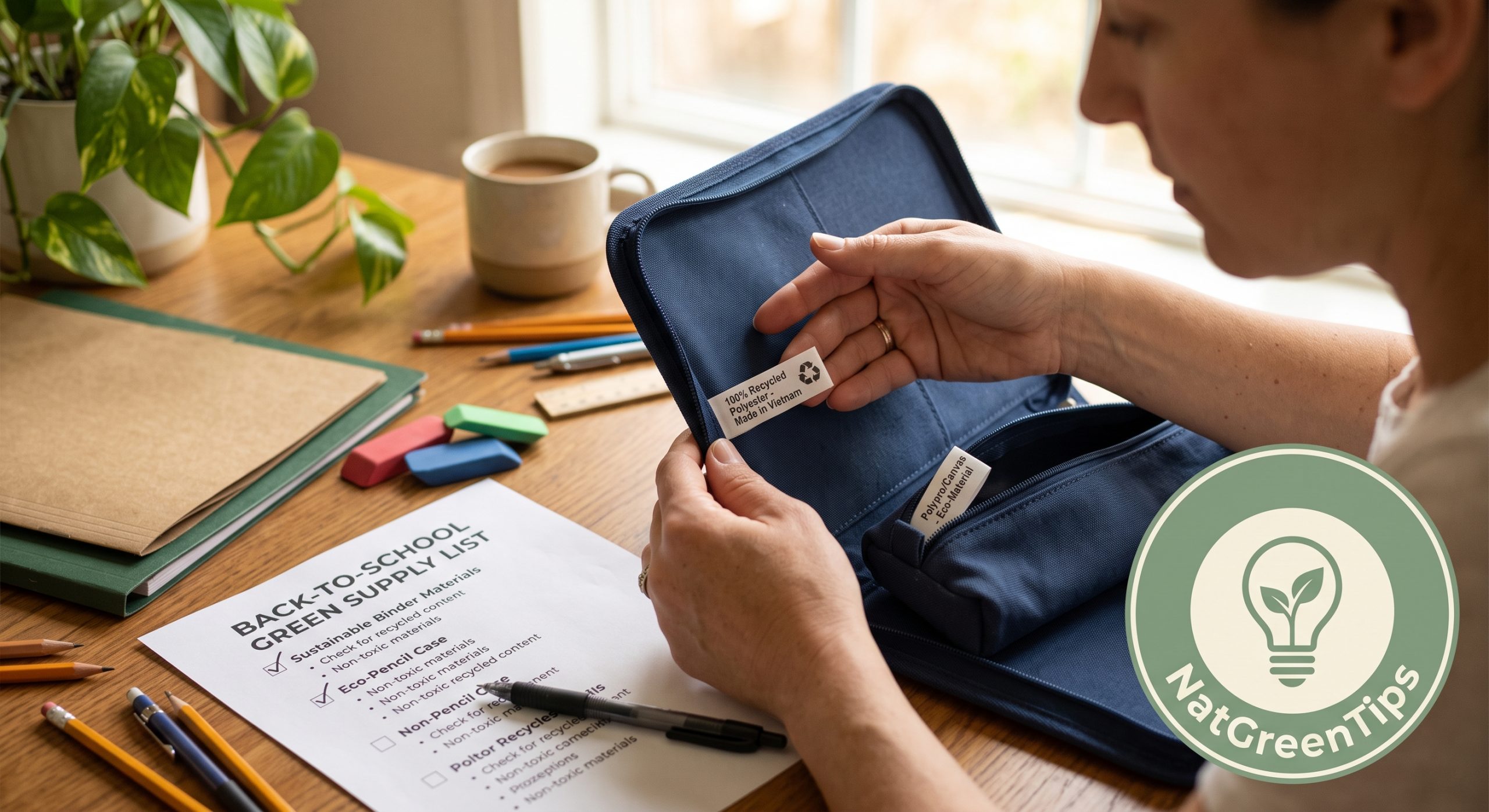
I look at the material description directly rather than trusting the packaging’s general claims, “PVC-free” or “phthalate-free” stated explicitly is what I look for, not just an absence of a warning. If the material composition isn’t listed at all, that’s become a red flag for me rather than something I ignore.
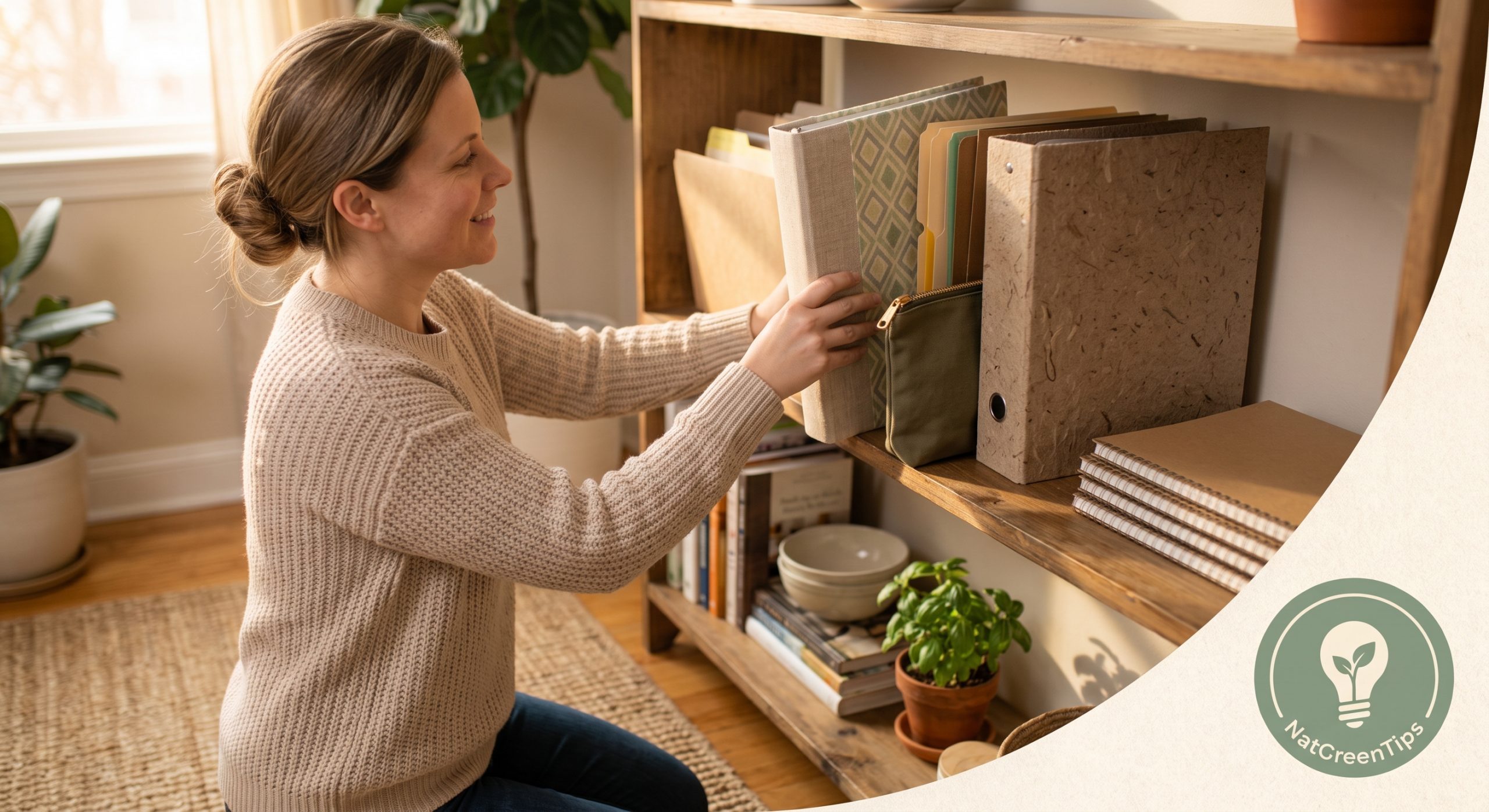
For binders specifically, I’ve switched to a premium linen-textured binder instead of vinyl, which solves the issue entirely without giving up durability.
What I did with the items we already owned
I didn’t throw everything out immediately, that felt wasteful and, frankly, financially unnecessary for items already in daily use. I did phase out the two vinyl binders as they wore out naturally over the following months, replacing them with fabric-covered alternatives rather than vinyl again.
For anything with more direct or repeated skin contact, the pencil case my kid handles constantly, I made that swap sooner rather than waiting for it to wear out, since that felt like a more meaningful exposure reduction than a binder that mostly sits in a backpack.
A word on not overreacting to this
It would be easy to spiral into anxiety scanning every single item for hidden chemicals, and that’s not really the goal here. I think of this as one more category to be reasonably mindful of, similar to how I approach food ingredients, not a reason to panic about every plastic item in the house.
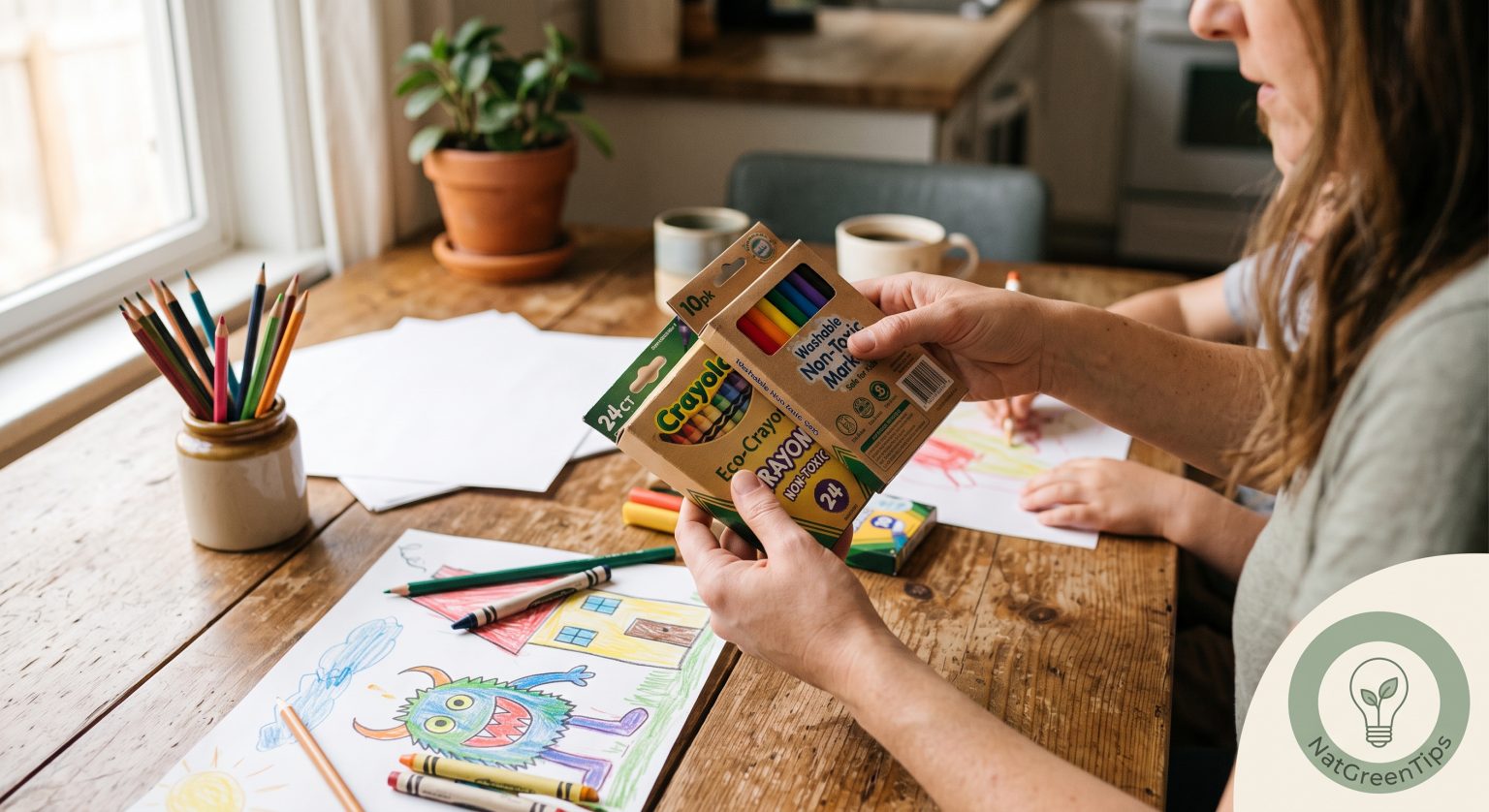
Prioritizing the items with the most direct, repeated contact, things held constantly, chewed on, or in prolonged skin contact, has felt like a proportionate response rather than an exhausting, all-consuming project. The same “check the label, don’t panic” approach applies to crayons and markers, which have their own specific certification to look for.
Alternatives that have worked well for us
- Fabric or recycled-paperboard binders instead of vinyl
- Canvas or polyester pencil cases instead of vinyl pouches
- Natural rubber erasers instead of cheap, brightly colored vinyl ones
- Backpacks explicitly labeled PVC-free
Shopping for phthalates in school supplies before the trip, not after
The biggest change I made wasn’t a specific product swap, it was moving the whole check earlier. I used to buy first and worry later, if at all. Now I go through the school’s supply list the week before shopping and flag anything likely to be vinyl (binders, pencil pouches, rain gear) before I’m standing in the aisle with a cart and a time crunch.
That timing change matters more than it sounds. Checking for phthalates in school supplies while calmly planning at home is a completely different experience than trying to read a material label while a kid is asking to leave the store. I make the swap decisions ahead of time now, so the actual shopping trip is just executing a list rather than researching on the fly.
What the research doesn’t fully tell us yet
I want to be honest about the limits here. Testing for phthalates in school supplies isn’t standardized or comprehensive, the study my friend mentioned covered a specific sample of products, not every item on the market, and a lot of brands simply don’t publish independent lab results either way. That gap doesn’t mean everything untested is dangerous, it means “untested” and “safe” aren’t the same claim, and I try not to confuse the two.
Where labeling is genuinely unclear, I default to the fabric or recycled-paperboard alternative when the price difference is small, and I don’t lose sleep over items where I can’t get a clear answer either way.
Whether it’s worth raising with the school directly
I did email my daughter’s teacher once, mostly out of curiosity, to ask whether the supply list had any material requirements built in. The answer was a straightforward no, the list specifies quantities and general categories (one 2-inch binder, one pencil case), not materials. That’s not a criticism of the school, it’s just not something most supply lists are set up to address, which is exactly why I think this is a parent-level check rather than something to wait on a school policy to solve.
If enough parents ask, it’s possible that changes over time, PTA-level conversations about supply list wording have shifted other things before. But I wouldn’t hold off making your own swaps at home while waiting on a school-level policy change that may or may not ever happen.
Frequently Asked Questions
🌿 Are all vinyl products automatically high in phthalates?
Not necessarily all, but vinyl (PVC) is the material most commonly associated with phthalate use, so it’s the category I’m most cautious about and check most carefully.
🌿 Should I throw away vinyl school supplies we already own?
I didn’t do this outright, I phased them out naturally as they wore out, prioritizing items with the most direct, repeated contact for an earlier swap.
🌿 Is this something schools are addressing directly?
Not that I’ve seen specifically called out on supply lists, which is part of why I think it’s worth parents checking independently rather than assuming it’s been vetted.
🌿 What’s the easiest first swap to make?
A binder, in my experience, fabric and recycled paperboard alternatives are widely available now and perform just as well functionally as vinyl ones.
🌿 Is there a reliable certification label to look for instead of guessing?
Not one universal label the way there is for some other product categories, which is exactly why I check the actual material description (“PVC-free” or “phthalate-free” stated directly) rather than looking for a single logo to trust.
Final NatGreen thoughts
Checking for phthalates in school supplies comes down to one small habit: looking for “PVC-free” or “phthalate-free” stated explicitly on binders, pencil cases, and backpacks, which closes most of the gap without requiring a full supply overhaul. For a broader look at how marketing language can mislead on labels generally, see our guide on spotting greenwashing claims.
Ready to try it? Check one binder or pencil case in your kids’ supply bin tonight for a material label, that’s the fastest way to know if this applies to what you already own.