When I first tried cutting back on meat, I made the classic beginner mistake: I filled my cart with every plant-based sausage and “chicken” nugget on the shelf, and my grocery bill went up instead of down. It took a few months of trial and error to realize the cheapest, easiest plant-based meals in my rotation now barely resemble any of those products at all. They’re built around ingredients that were already the least expensive things in the store.
Quick Answer
Budget-friendly plant-based meals for beginners rely on cheap staples like beans, lentils, rice, and seasonal vegetables rather than processed meat substitutes. A pound of dried lentils or beans costs a fraction of meat and provides multiple meals’ worth of protein.
Build meals around these staples
When I actually sat down and compared unit prices, a pound of dried lentils cost me less than a quarter of what a pound of ground beef did at the same store, and it stretched across three separate meals instead of one.
- Dried or canned beans and lentils. Cheapest protein source in most stores, and what I lean on most.
- Rice, oats, and other whole grains.
- Frozen vegetables. Often cheaper and just as nutritious as fresh, and I use them constantly.
- Eggs and dairy, if you’re not going fully vegan (I’m not).
- Peanut butter and other nut butters for quick protein.
Skip the expensive substitutes at first
Packaged plant-based meat and cheese alternatives are often 2-3x the cost of the staples above. This is the exact trap I fell into early on. I still buy them occasionally as a treat now that I have a base of affordable go-to meals, but they’re not what I build my week around anymore.
The irony is that once I stopped relying on them, I actually started enjoying cooking more, since I had to get a bit more creative with spices and technique instead of just swapping in a substitute for whatever I used to make.
Three meals I actually make on repeat
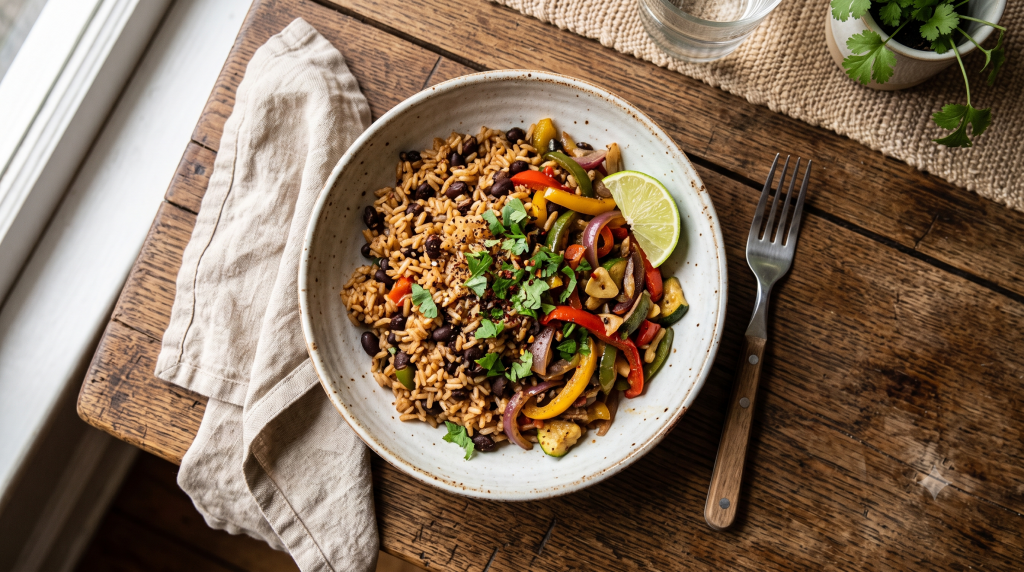
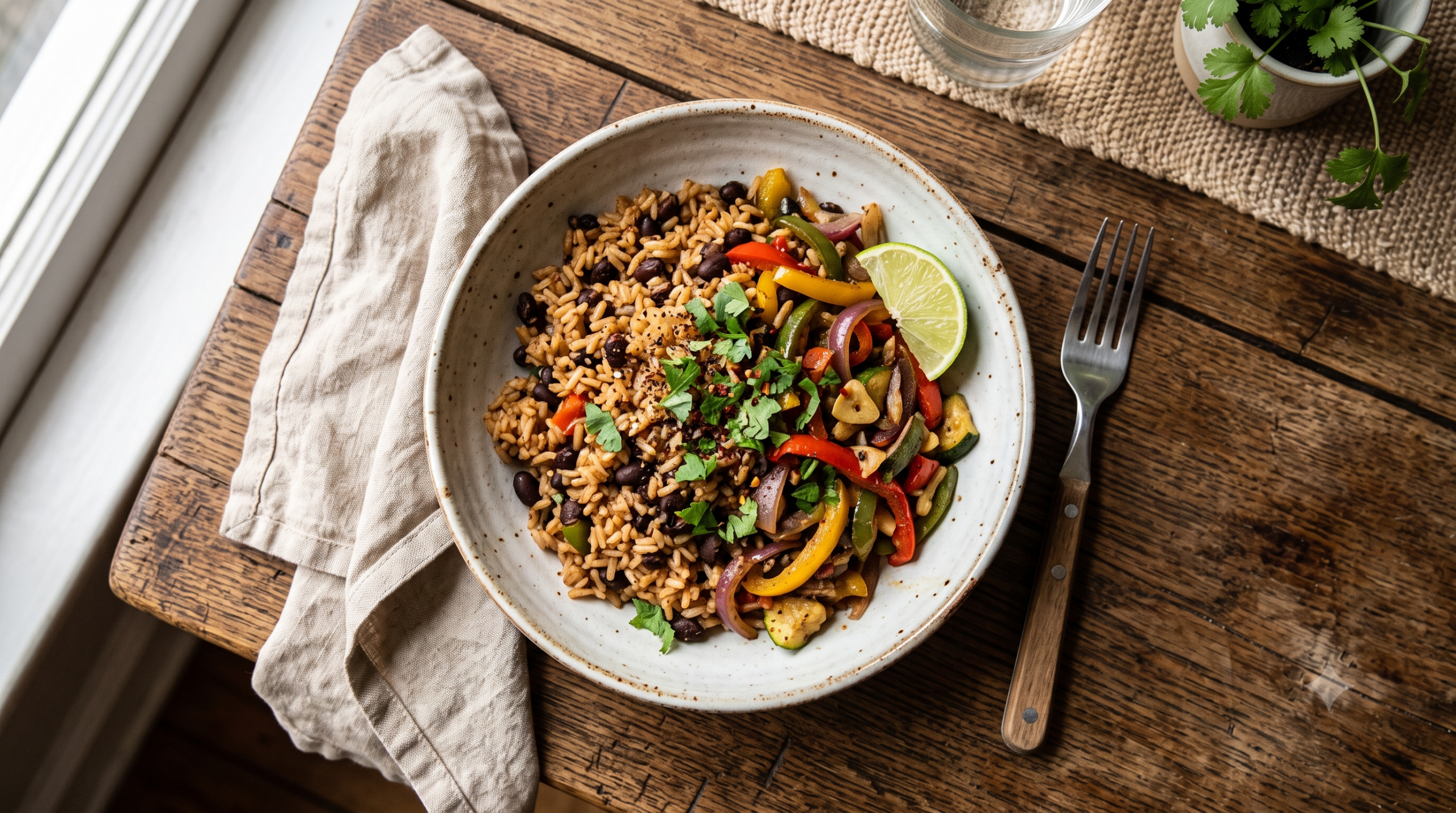
- Rice and beans with sauteed frozen vegetables and a simple spice mix. My go-to when I don’t feel like thinking about dinner.
- A big pot of lentil soup made in bulk on Sundays and frozen in portions.
- Oatmeal with peanut butter and frozen fruit for breakfast, which has quietly become the meal I miss the most when I skip it.
How my grocery bill actually changed
I started tracking my grocery receipts for about two months before and after making this shift, mostly out of curiosity. My weekly total dropped by roughly 15-20%, almost entirely from replacing meat purchases with beans and lentils rather than from cutting anything else out.
That said, the first couple of weeks were actually more expensive, because I was buying spices and pantry staples I didn’t already have (cumin, smoked paprika, a good vegetable stock). Those are one-time costs that pay off over months of cooking, so don’t judge the budget impact from week one alone. I found the same thing when I started paying closer attention to sustainable grocery shopping generally: the first trip costs more, and it evens out fast.
What took some getting used to
The biggest adjustment for me wasn’t the food itself, it was meal planning. Meat-based dinners for me used to be pretty improvisational: grab something, cook it, done. Bean and lentil-based cooking rewards a bit more planning, since dried beans need soaking time and lentil soup is better made in a batch than one portion at a time.
Once I built a rhythm, cooking a big pot on Sunday, portioning it out for the week, it stopped feeling like extra effort and became just as automatic as my old routine.
A note on flavor, since that’s the real barrier for most beginners
I’ll be honest, my first few attempts at plant-based meals were pretty bland, and that almost made me give up on the whole idea. What actually fixed it wasn’t a special ingredient, it was using more spices and acid (a squeeze of lime, a splash of vinegar) than I was used to with meat-based cooking, since beans and lentils don’t bring much flavor on their own.
Once I adjusted my seasoning habits, the meals actually became some of my favorites in regular rotation, not just the “budget” option I settled for.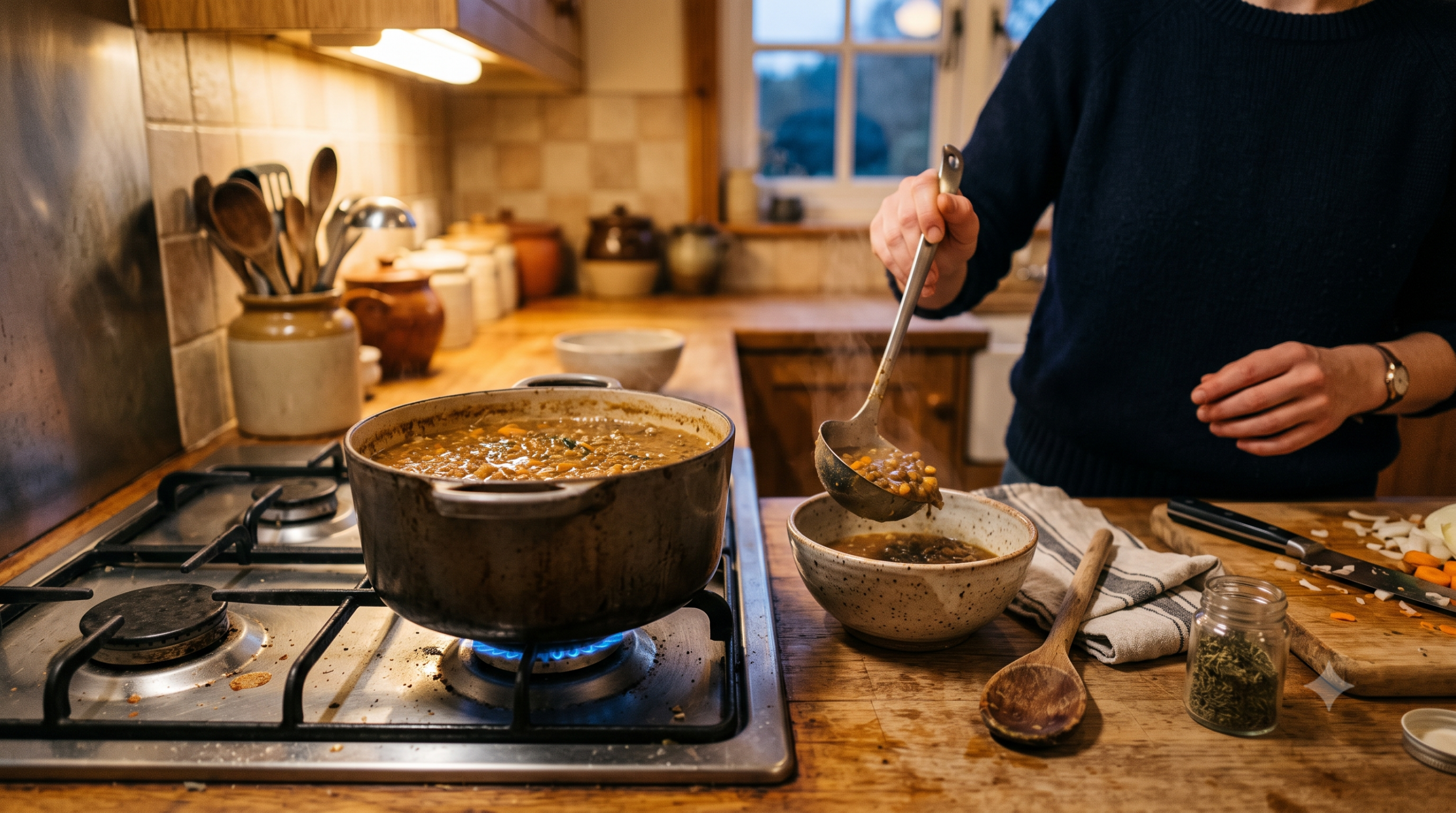
How I handle eating out and social situations
Cutting back on meat at home is one thing, but I didn’t want it to turn into a complicated ordeal every time I had dinner with friends or family. My rule for myself: eat plant-based by default at home, and don’t stress about it when I’m out or a guest somewhere. That flexibility is honestly what made the whole shift sustainable long-term instead of something I burned out on after a few months.
I’ve found most people don’t even notice or ask, and the few times someone has, a simple “I’m just trying to eat less meat, not never” has been more than enough explanation.
Batch cooking is what actually makes this sustainable
The single biggest factor in whether I stick with plant-based meals during a busy week is whether I have something already cooked in the freezer. Lentil soup, a pot of beans, even cooked rice: having a base ready to go means dinner takes ten minutes instead of forty, which matters enormously on the nights I’m tired and tempted to order takeout instead.
I set aside about ninety minutes most Sundays for this, and it’s genuinely the habit that keeps the whole budget and plant-based approach going during the weeks when I have the least energy to cook from scratch. It’s the same batch-cooking instinct I lean on for meal prepping without wasting food more generally.
What I’d tell someone who’s on the fence
Don’t try to overhaul every meal at once, that’s what made my own first attempt feel overwhelming and expensive. Pick one meal, get genuinely good at it, and let the rest follow once that one feels automatic.
For me that was rice and beans. It became the meal I could make without thinking, and everything else, the lentil soup, the oatmeal breakfasts, the confidence to experiment with new spices, built outward from that one reliable starting point.
A simple starter shopping list
If you want to try this for one week, here’s roughly what I’d buy: a couple pounds of dried or canned lentils and beans, a bag of rice, a few bags of frozen mixed vegetables, oats, peanut butter, and a small set of spices if you don’t already have cumin, paprika, and garlic powder on hand.
That list cost me well under thirty dollars on my first trip and covered close to a week of dinners and breakfasts, which is roughly the moment I realized this really was cheaper than what I’d been spending on meat-centered meals before. Having a good small pressure cooker made the batch-cooking side of this a lot easier too, since I wasn’t babysitting a pot on the stove every Sunday.
Frequently Asked Questions
🌿 Will I get enough protein?
Yes. Beans, lentils, and whole grains together provide complete protein profiles when eaten across the day, without needing to track anything precisely. I don’t count grams and I’ve never felt short on protein.
🌿 Do I need to go fully vegan for this to save money?
No. Even replacing 2-3 meat-based meals per week with a bean or lentil-based meal noticeably lowered my grocery bill, and that’s roughly where I still land most weeks.
🌿 How do I make plant-based meals filling?
Lean on whole grains and healthy fats (olive oil, nut butter, avocado) alongside the protein source. That combination is what actually makes a meal feel satisfying to me, not just filling.
🌿 What’s the single easiest recipe to start with?
Rice and beans, honestly. It’s the meal I make most often, it’s nearly impossible to mess up, and it introduced me to seasoning combinations I still use in more complicated dishes now.
🌿 How do I keep batch-cooked meals from getting boring?
I rotate the spice profile each week even when the base ingredients are the same: a Mexican-inspired batch of beans one week, a curry-spiced version the next. Same core ingredients, different meal entirely.
Final NatGreen thoughts
You don’t need expensive substitutes to eat more plant-based meals. A bag of lentils, a bag of rice, and a few spices will get you further than a cart full of fake meat ever did. Start with one meal, get good at it, and build outward from there. It’s the same approach that works for budget grocery swaps that are better for the planet more broadly.
Ready to try it? A bag of lentils, a bag of rice, and a few pantry spices are the whole starter kit. Under thirty dollars, no fake meat required.