
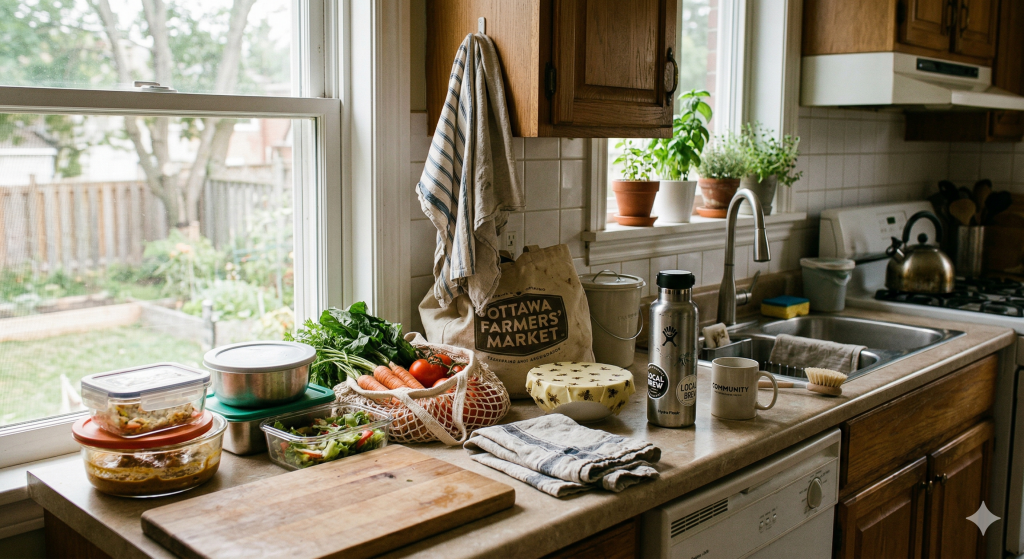
A lot of reusable kitchen products look good in theory but do not actually save much money in real life. Some are expensive, hard to maintain, or simply unnecessary for the average household. If your goal is to build a more sustainable kitchen on a budget, the smartest place to start is with reusable products that replace things you buy over and over again. That usually means products tied to food storage, cleanup, grocery shopping, and everyday meal prep. The best reusable kitchen products are not the trendiest ones. They are the ones you use consistently enough to cut waste and reduce repeat spending. In this guide, we will look at the reusable kitchen products that are most likely to pay off over time, which ones are worth buying first, and which ones sound eco-friendly but may not actually save you money.
Quick Answer: Which reusable kitchen products actually save money?
The best reusable kitchen products that actually save money are the ones that replace recurring disposable costs. For most households, that includes:
- Reusable food storage containers
- Washable kitchen cloths
- Durable water bottles
- Shopping bags, and
- A few practical storage or prep items used every week.
If a reusable product is easy to clean, gets frequent use, and replaces something you regularly rebuy, it is usually a better investment than a niche eco gadget.
Why this matters
A lot of people try to make their kitchen more sustainable by buying whatever reusable product looks popular online. That often leads to clutter, overspending, and items that never become part of real daily life. The better approach is to think in terms of repeated cost. If a product replaces something you buy again and again, or helps you waste less food, it has a better chance of paying for itself. That is where sustainable kitchen spending becomes practical rather than performative.
1. Reusable food storage containers
Good food storage containers are one of the easiest places to start because they solve several problems at once. They can help reduce food waste, make leftovers easier to manage, and replace disposable bags or flimsy containers that do not last. What makes them worth buying is not just that they are reusable. It is that they improve how food gets stored and used. If leftovers are easier to see and easier to pack away, they are more likely to be eaten instead of forgotten. In practical terms, that means choosing containers you will actually reach for. Glass can be great for durability and visibility, while lighter reusable plastic containers may be more practical for packed lunches or households with kids. The best choice is the one that matches how your kitchen actually works.
Best for
- leftovers
- meal prep
- packed lunches
- reducing spoiled food in the fridge
2. Washable kitchen towels and cleaning cloths
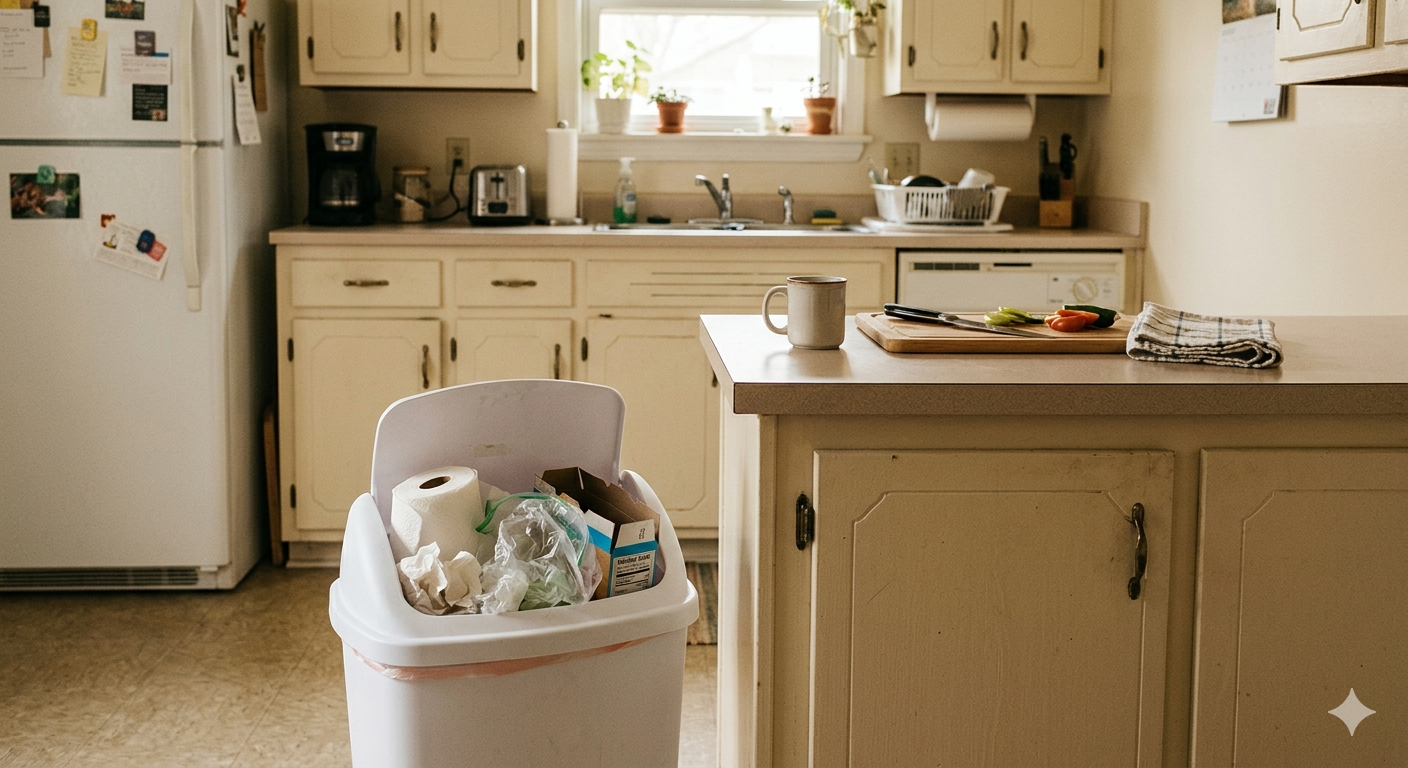
Paper towel use adds up quickly, especially when it becomes the default for every small spill or wipe-down, believe me when I say this can get expensive quick, plus it also has an impact on environment long term (considering all the trees that were cut down for it).
Replacing some of that habit with washable cloths can very easily reduce repeat spending without making your kitchen harder to manage. If I’m being honest, the realistic version of this is not “never use paper towels again”, that might be asking a lot for some folks, however for households (like mine), it can end up working better to use cloths for everyday cleanup and save paper towels for messes where they are genuinely more convenient.
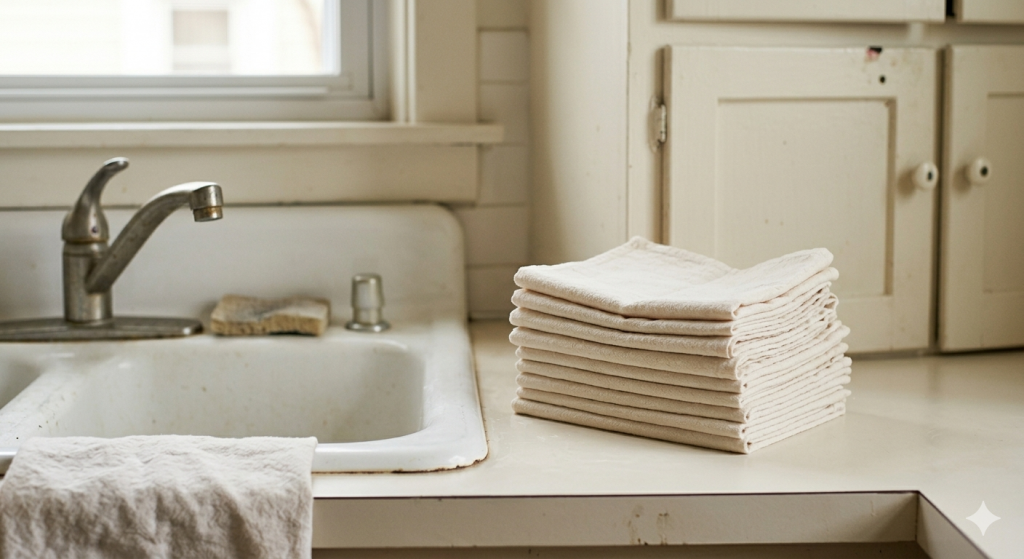
That balance matters because a sustainable product only saves money if you actually keep using it. If washable cloths are easy to grab, easy to wash, and part of your routine, the savings build over time without much thought.
3. Reusable shopping bags and produce bags
Reusable shopping bags can actually be one of the simplest sustainable swaps you can make as an individual or household, but they only save money if they become a habit.
If your local stores charge for bags (which here in Canada most of them do), remembering reusable bags can help you save a little money over time as well as reduce waste at the same time. The trick to note here is not buying the nicest bags, because sometimes some of “us” can get carried away. You do need to make a habit of keeping them where you will remember them.
Storing them either in the car, by the door, or inside another everyday bag usually works better than just stuffing them in a kitchen drawer which you’re unlikely to check as you head out to do some shopping. Produce bags can help too, but the bigger practical win is usually the main grocery bags. They are easier to use consistently and have a clearer day-to-day benefit.
4. Refillable water bottles and drink containers
If you regularly buy bottled water or drinks on the go, a reusable bottle is one of the clearest examples of a sustainable swap that can actually pay for itself over time. Those small purchases might not feel like much in the moment, but they do add up quicker than most people expect.
That said, what matters most is choosing one you actually enjoy using. If I’m being honest, I’ve had bottles that looked great but were just… not it. Either they leaked in my bag, felt too bulky to carry around, or were just annoying to clean, and slowly, I found myself going back to buying drinks without even thinking about it.
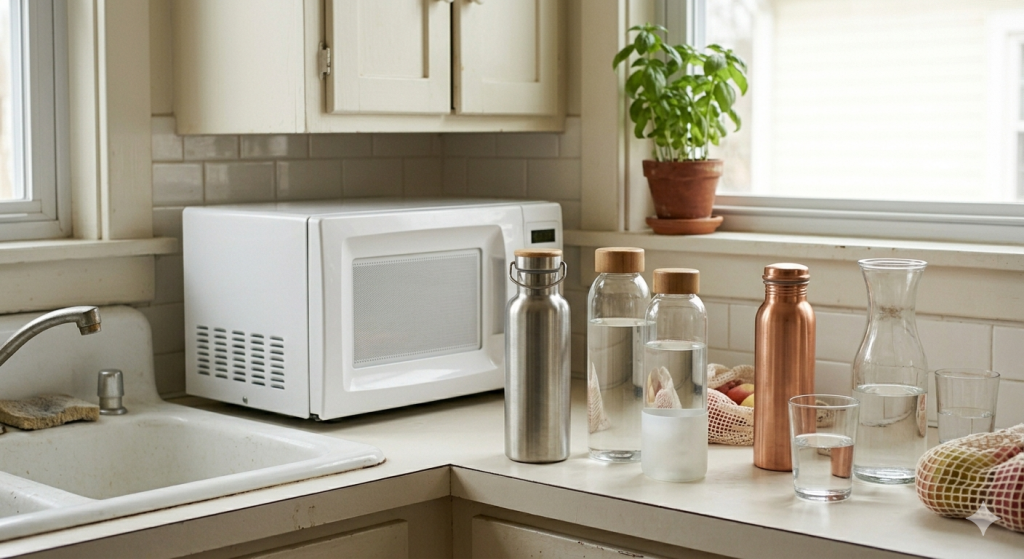
So the realistic version of this is not just “get a reusable bottle.” It’s finding one that fits into your day so easily that you naturally reach for it. Because at the end of the day, it only saves you money if it quietly replaces the habit you already have.
5. Leverage reusable lunch containers and snack storage
For people who pack lunches regularly, reusable containers can make a noticeable difference, not just in reducing waste, but in how easy it feels to stick to eating what you already have at home.
And if I’m being honest, that’s where the real value is. It’s not just about avoiding plastic, it’s about removing that small friction that makes you think, “maybe I’ll just buy something today instead.”
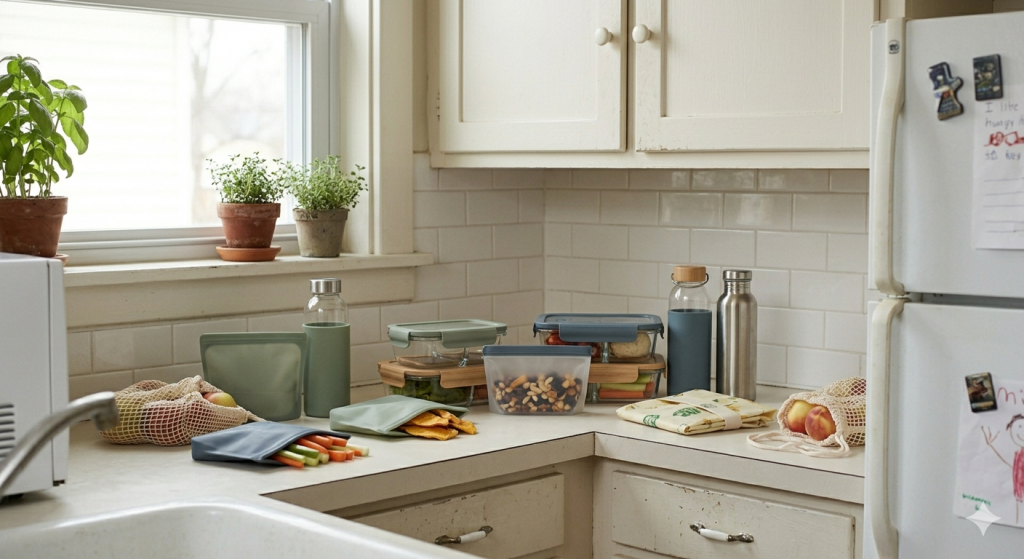
They tend to work best when they’re part of a bigger routine, like meal planning or just being intentional about leftovers. If you’re already cooking at home, having reliable containers makes it much easier to carry that effort into the next day without overthinking it.
The goal isn’t just less waste sitting in your bin. It’s making homemade food the easier option, so you naturally stick with it without having to convince yourself every time.
Bonus Tip: Products that help reduce food waste
Not every money-saving kitchen product replaces a disposable item directly. Some save money by helping food last longer or by making the kitchen easier to manage. Examples include:
- better produce storage bins
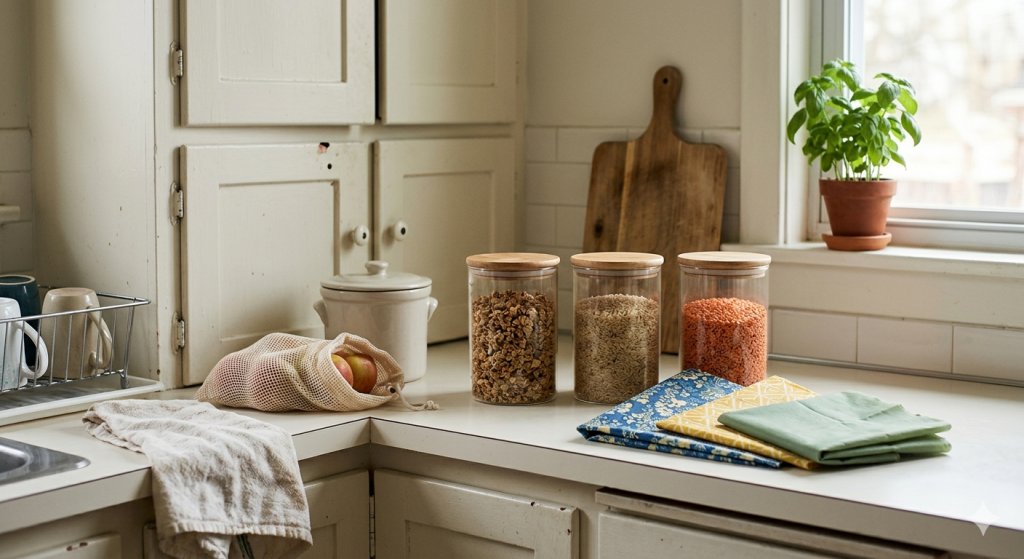
- durable jars for pantry storage
- stackable containers that keep leftovers visible
- freezer-safe containers for batch cooking
The value here is often indirect but still real. If a better storage setup helps you throw away less food each week, that can be more useful than a trendy reusable item that barely gets used.
Kitchen swaps that sound sustainable but may not save money
This is where people often overspend. Some products look eco-friendly but have weak practical value for the average kitchen. That can include:
- expensive specialty wraps when you already have good containers
- trendy single-use gadgets in reusable form
- premium aesthetic organizers that cost more than they save
- products that require too much upkeep to use consistently
A product can be reusable and still not be worth buying. The real question is whether it improves a repeated part of your routine enough to save money or reduce waste in a meaningful way.
FAQ
Are reusable kitchen products worth the upfront cost?
Often, yes, but only when they replace items you buy repeatedly or help reduce food waste. The best purchases are the ones that fit naturally into your daily routine.
What reusable kitchen product saves the most money?
That depends on your habits. For many households, reusable food storage, cloth towels, and refillable drink containers offer the clearest value because they are used frequently.
Should I replace everything in my kitchen at once?
No. It is usually smarter to start with one or two products you know you will use consistently. Replacing everything at once is expensive and rarely necessary.
What is the best reusable kitchen product for beginners?
A good food storage system is one of the best starting points because it supports leftovers, meal prep, and food waste reduction all at once.
NatGreens’ Final thoughts
The best reusable kitchen products that actually save money are the ones that solve a repeated problem in your household. That could be food waste, constant paper towel use, buying drinks on the go, or paying for disposable grocery bags again and again. Start with a few useful products that fit your current lifestyle. If they become part of your routine, they will usually deliver more value than any expensive kitchen trend.