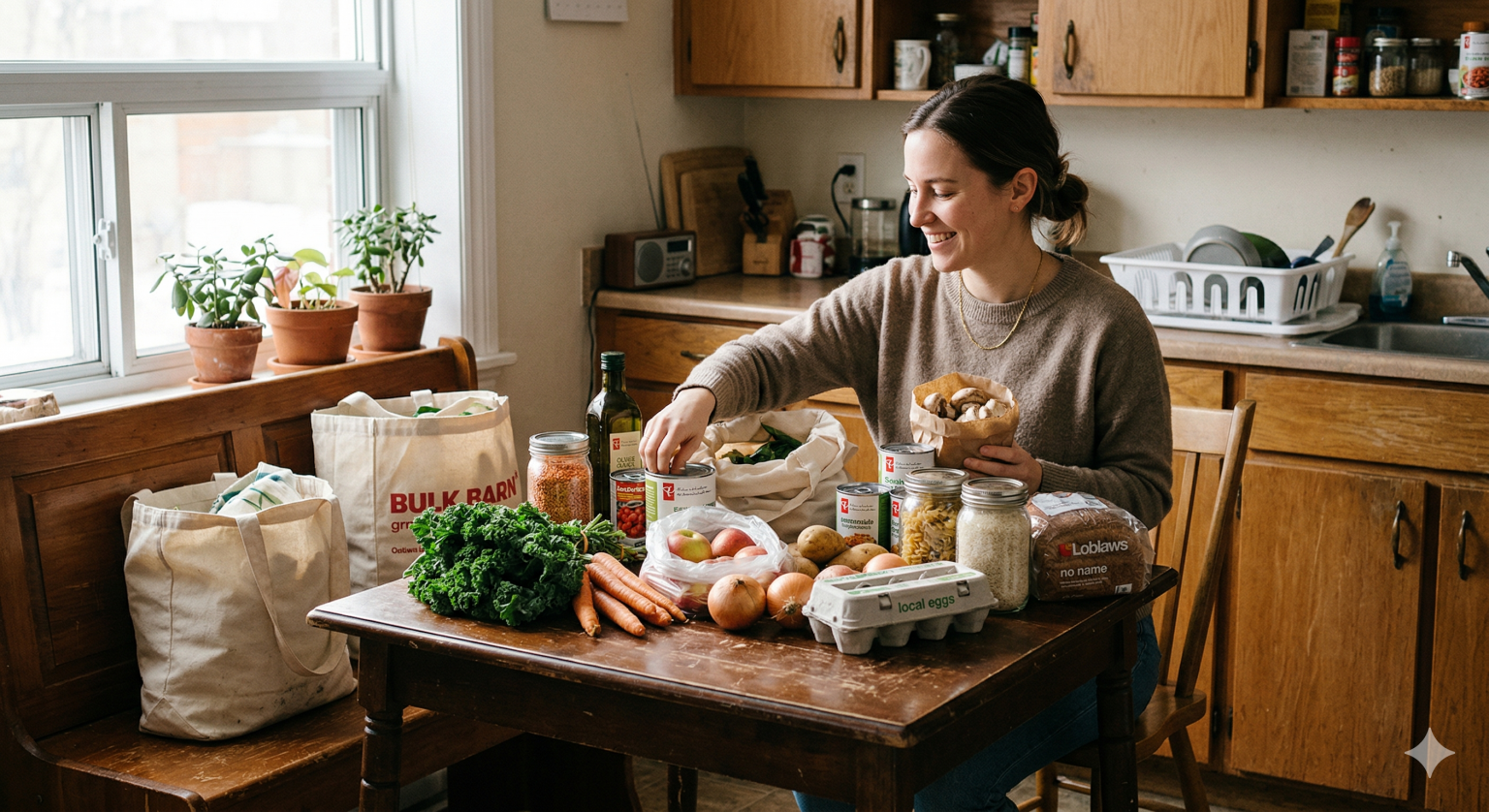
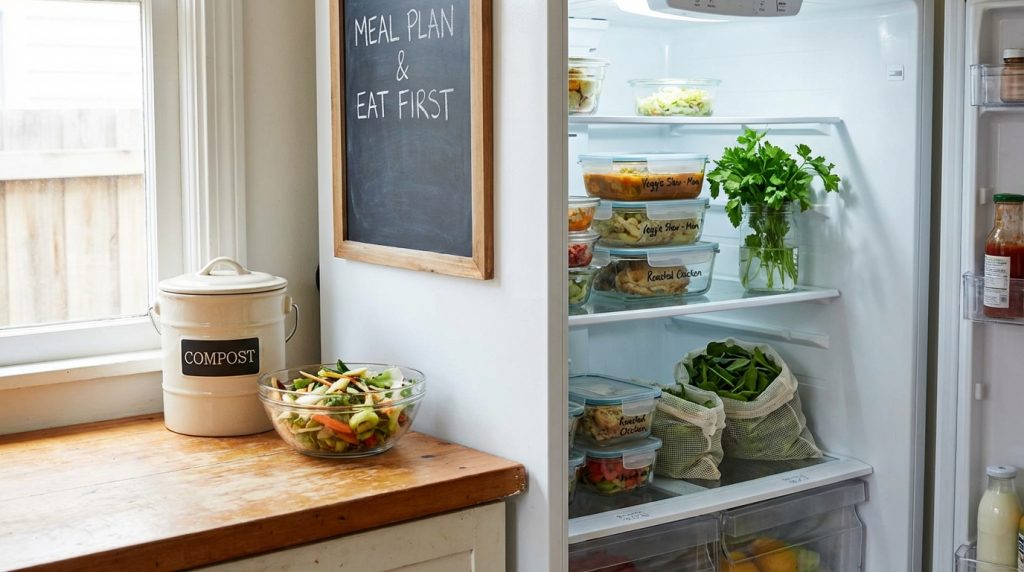
If you want to know how to reduce food waste without overhauling your kitchen, the first thing to understand is that a lot of food waste does not happen because people do not care. It happens because everyday routines make it easy to lose track of what is in the kitchen. Produce gets pushed behind something else, leftovers stop looking appealing, ingredients get bought with good intentions but no clear plan, and before long money you spent a few days ago ends up in the trash.
That is one reason food waste matters so much if you are trying to lower your grocery bill. You do not need a perfect low-waste kitchen system to improve this. In most households, a few changes in planning, visibility, and storage make a much bigger difference than dramatic rules ever do.
If you want to reduce food waste without overhauling your kitchen, the best place to start is with habits that make food easier to see, easier to use, and harder to forget.
Quick Answer: How do you reduce food waste at home?
To reduce food waste at home, check what you already have before shopping, plan meals around food that needs to be used first, store produce and leftovers so they stay visible, and make leftovers part of your plan instead of an afterthought. If you are trying to figure out how to reduce food waste in a realistic way, these habits usually make the biggest difference first.
The goal is not to run a perfect kitchen. The goal is to create a routine where more of the food you buy actually gets eaten.
Why food waste costs more than people realize
A lot of people think of food waste mainly as an environmental issue, but in everyday life it is also a financial one. Every forgotten ingredient, duplicate purchase, and uneaten leftover represents money that has already left your budget. According to the USDA, it is estimated that food waste in the United States is about 30–40 percent of the food supply.
What makes this so frustrating is that the waste often happens quietly. It is rarely one giant weekly mistake. It is the half bag of greens you meant to use, the leftovers hidden behind something newer, or the special ingredient you bought for one meal and never touched again. Related reading: sustainable grocery shopping on a budget and sustainable living on a budget for beginners.
Check what you already have before shopping
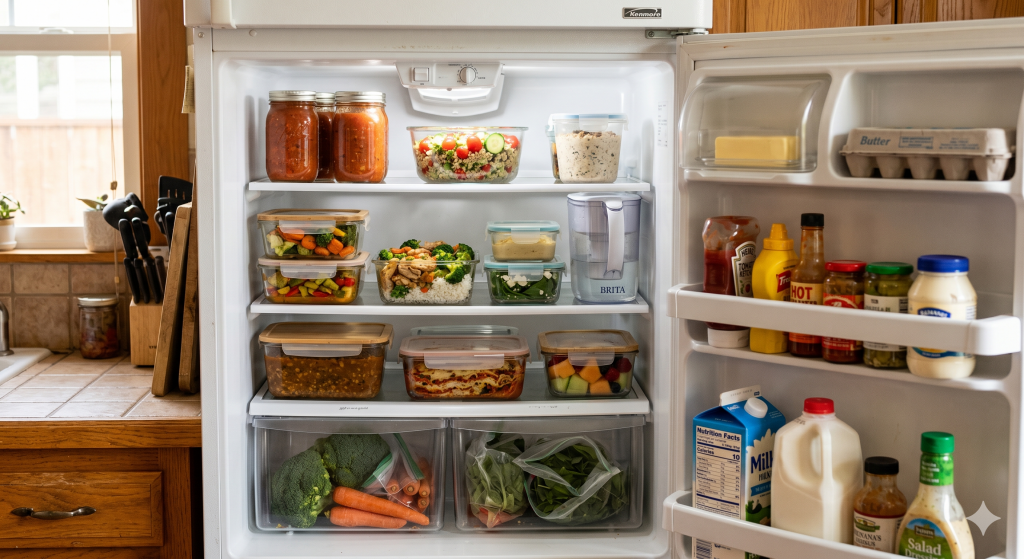
One of the easiest ways to reduce food waste is also one of the easiest habits to skip. Before shopping, take a few minutes to check the fridge, freezer, and pantry.
This matters because a lot of waste begins with duplication. If you shop from memory instead of reality, it is easy to buy another carton of yogurt, another bag of spinach, or another jar of something already half-open in the fridge.
A quick check helps answer a few useful questions:
- what needs to be used first?
- what do we already have enough of?
- what can this week’s meals be built around?
That small habit makes grocery buying more intentional and gives older ingredients a better chance of getting used.
Plan meals around what needs to be used first
Meal planning becomes much more effective when it starts with what is already in the kitchen. A lot of people think of meal planning as choosing new recipes first, but if your goal is to waste less food, it often works better to begin with ingredients that are already waiting to be used.
That might mean planning dinner around vegetables that are getting soft, using leftover rice as part of lunch the next day, or making one meal specifically to use ingredients already opened in the fridge.
This approach works because it gives aging food a purpose before it becomes waste and I strongly believe it also reduces the habit of buying more ingredients while usable food is still sitting at home.
Make leftovers easier to see and use
Leftovers only save money when they stay part of your plan. Once they become vague background food in the fridge, they often turn into waste.
That is why visibility matters so much. If leftovers are stored in containers you can see through, placed where they will not be forgotten, and mentally assigned to a future meal or lunch, they are much more likely to get eaten. Related reading: best reusable kitchen products for food storage.
A useful mindset shift is to stop treating leftovers as optional backup food. Instead, think of them as food you already paid for that should have a clear next purpose.
That might mean:
- tomorrow’s lunch
- one dinner later in the week
- freezer portions for a busier day
- the base of another meal
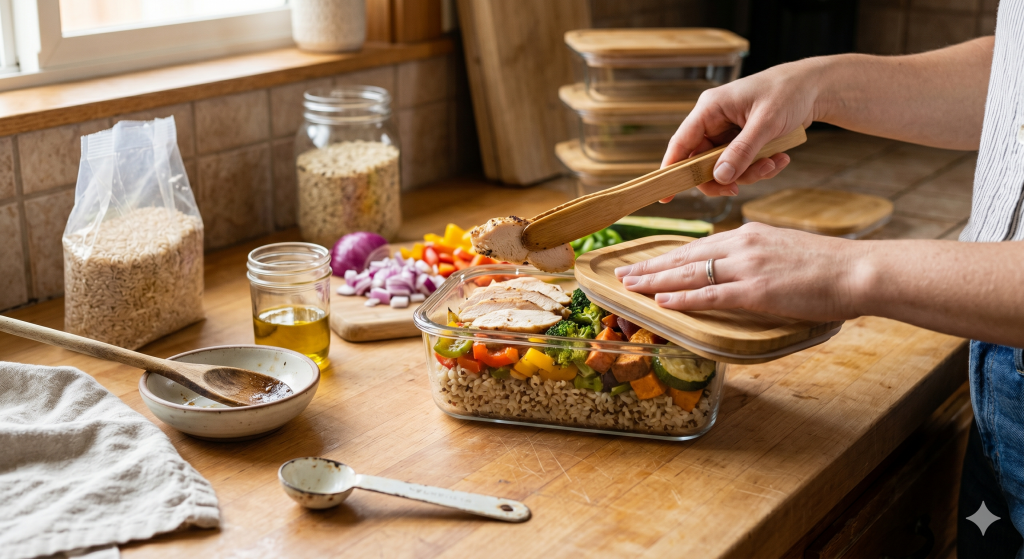
Store produce in a way that buys you more time
A lot of produce waste is really a storage problem. If fresh food gets bruised, buried, or stored in a way that shortens its useful life, it becomes much harder to use before it goes bad.
You do not need a perfectly styled fridge to improve that. A few simple adjustments help a lot:
- keep high-turnover produce visible
- avoid overstuffing the fridge
- separate produce where needed
- freeze items before they pass the point where you realistically want to use them
The practical goal is simple: create a little more time between buying food and losing your chance to enjoy it.
Easy wins
- move older produce toward the front
- keep leftovers visible instead of hidden behind unopened items
- freeze ingredients earlier instead of waiting until they look too far gone
- use containers that let you actually see what is inside
Stop buying highly specific ingredients you rarely finish
Some food waste starts before you even get home. It begins when you buy ingredients that only fit one recipe and have no obvious second use.
These ingredients often feel exciting in the store because they make a meal sound more ambitious or interesting. But if they are not flexible enough to show up in another dish, they can quickly become expensive leftovers with no real plan.
Easy food-waste habits to start this week
If you want quick wins as you start this journey in reducing your food waste, here are a few ideas you can start with:
1. Check the fridge before grocery shopping
2. Plan one meal around food that needs to be used first
3. Store leftovers in containers you can actually see through
4. Freeze food earlier instead of waiting until it is almost unusable
5. Buy fewer one-use ingredients unless you already know how the rest will get used
Best for
- households that keep throwing out produce
- anyone who buys groceries with good intentions but weak follow-through
- people trying to lower food waste without making kitchen life more complicated
FAQ
What food gets wasted most often at home?
Produce, leftovers, dairy, bread, and ingredients bought for one recipe often get wasted the most because they are easy to forget or use too slowly.
Does meal planning really help reduce food waste?
Yes. Meal planning helps reduce food waste because it makes purchases more intentional and gives ingredients a clear purpose before they are bought.
Should I freeze more food?
In many households, yes. Freezing food before it spoils too far is usually better than waiting until it no longer seems worth using.
What is the easiest first step to waste less food?
A quick fridge and pantry check before shopping is one of the easiest and most effective first steps because it reduces duplicate buying and helps older food get used first.
NatGreens’ Final thoughts
If you want to reduce food waste without overhauling your kitchen, start with the habits that make food easier to notice and easier to use. In most homes, that means checking what you already have, planning around ingredients that need attention, storing leftovers more visibly, and making simple decisions a little earlier.
You do not need a perfect kitchen system to waste less food. You just need a more intentional one.
—
Trying to save money while wasting less food? Read our guides on sustainable grocery shopping on a budget and reusable kitchen products that actually save money.