
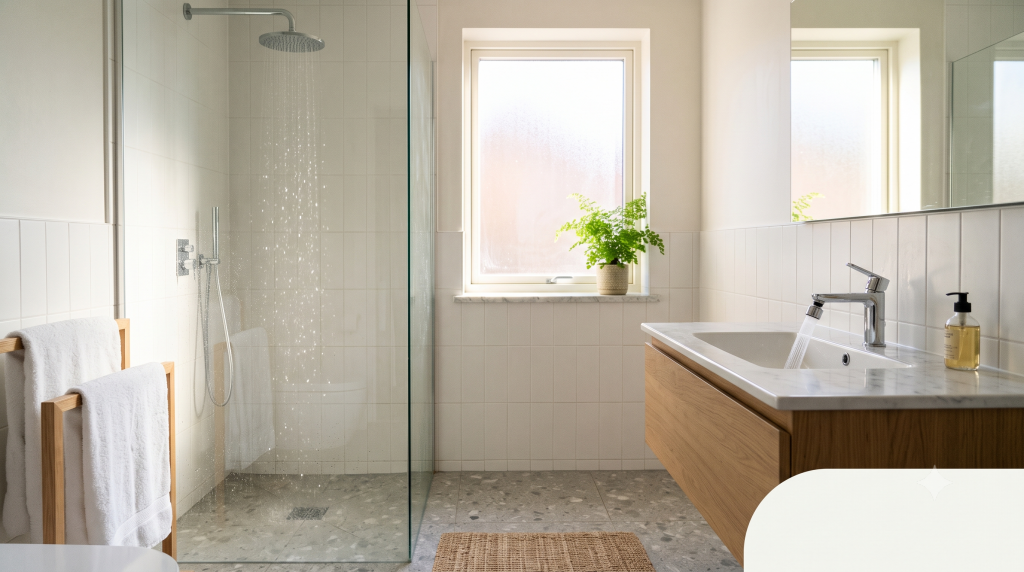
My water bill jumped by almost thirty dollars one month and I couldn’t figure out why. Nothing about my routine had changed. It turned out to be a running toilet I hadn’t noticed, quietly wasting water for who knows how long before I caught it. That whole ordeal sent me down a rabbit hole of checking every fixture in my place, and showed me just how much you can reduce water waste at home without ever touching a single wall.
Quick Answer
You can reduce water waste at home without renovating by fixing running toilets and dripping faucets, installing low-cost aerators on faucets, running full loads only in the dishwasher and washing machine, and shortening shower time. These changes typically cut water use by 20–30% without any construction.
Check for hidden leaks first
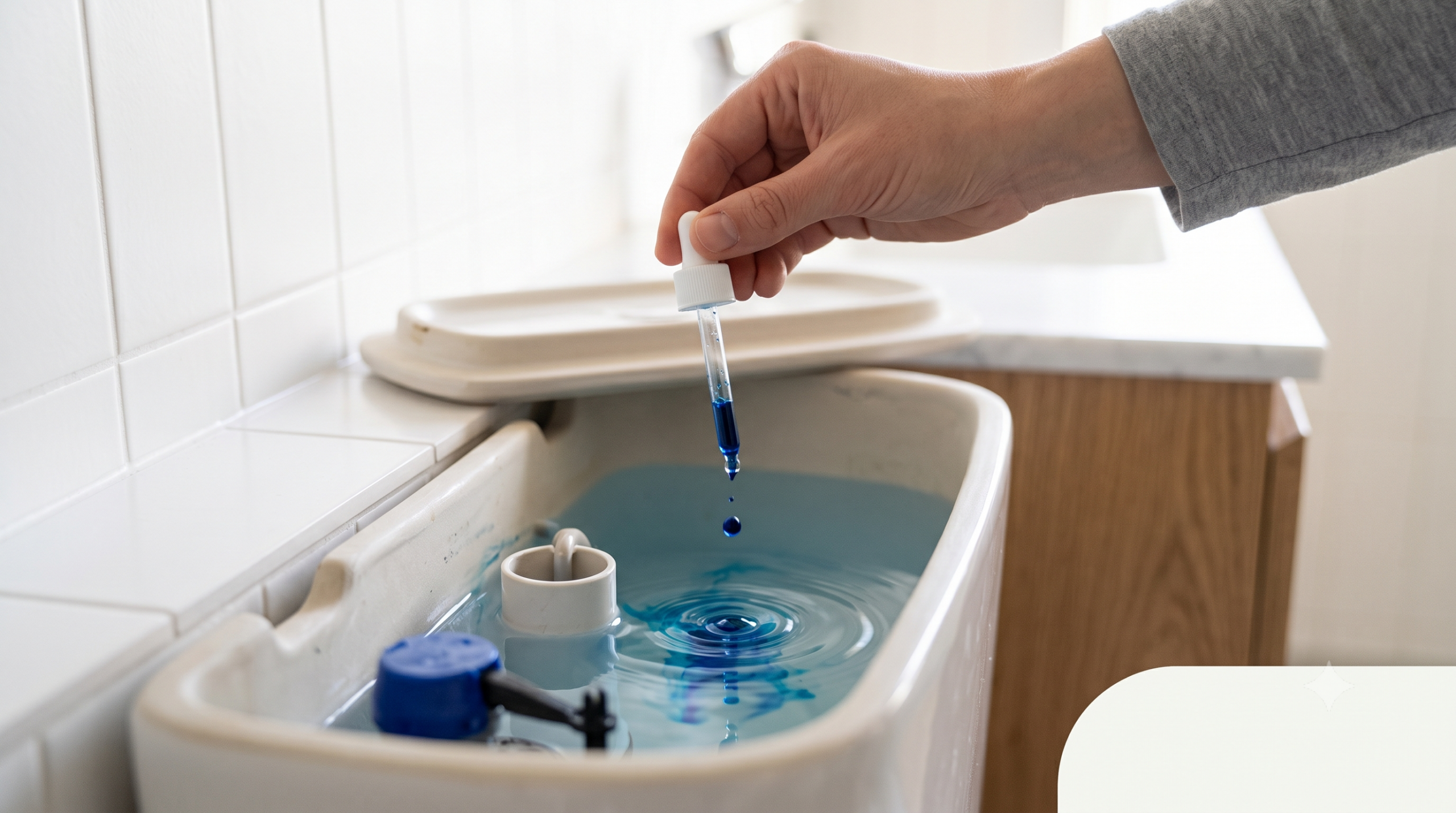
A running toilet can waste up to 200 gallons a day without any visible sign. Mine didn’t even make an obvious sound. The trick that caught it for me: drop food coloring into the tank and wait about ten minutes without flushing. If it appears in the bowl, you’ve got a leak worth fixing.
Mine turned out to be a $10 flapper valve, no plumber required, and a five-minute fix once I knew what was wrong. That single repair brought my bill back down within a month, and it’s the reason I now check every toilet in my place every few months rather than waiting for the next surprise bill.
Cheap fixes that made the biggest difference for me
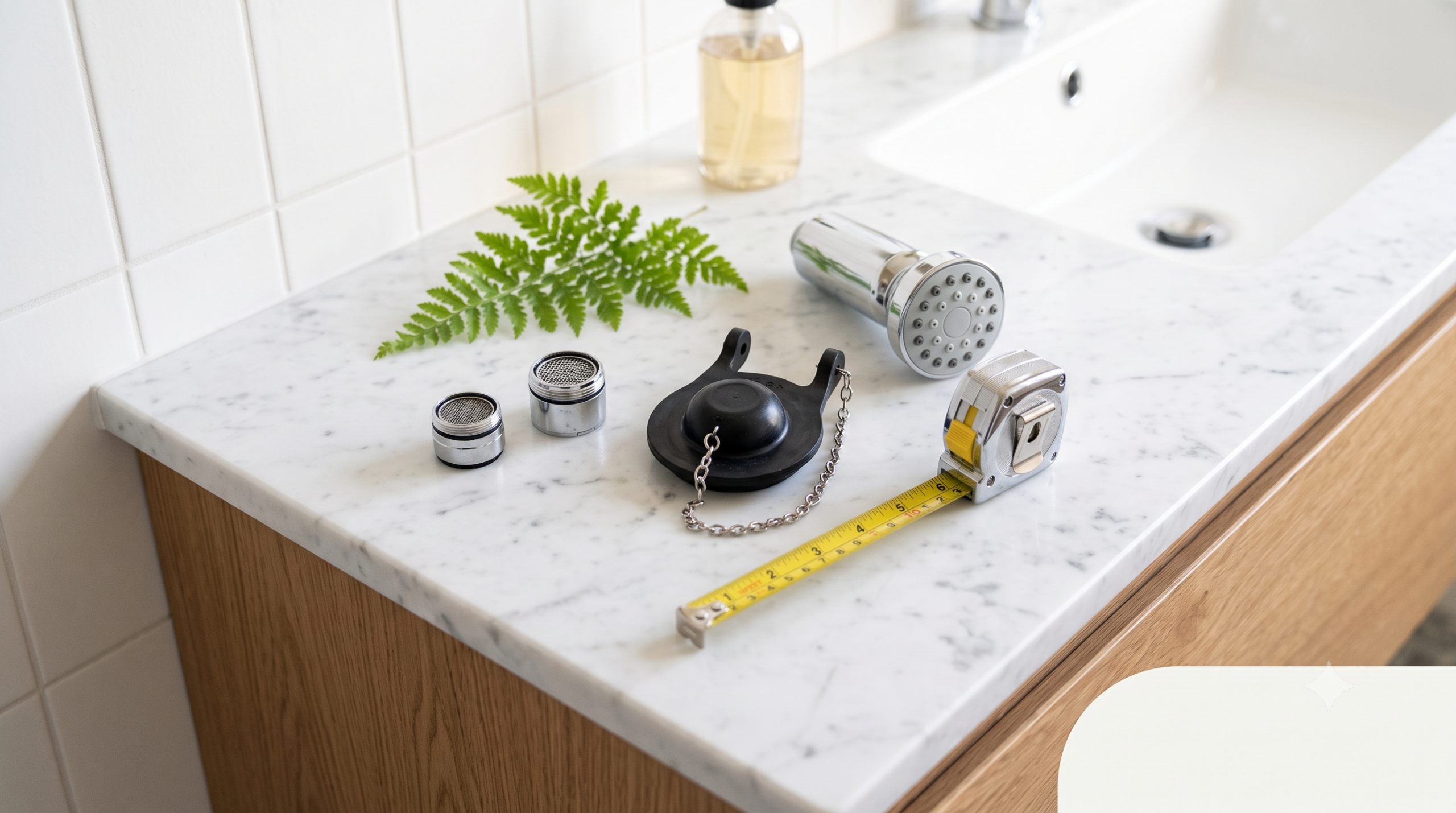
Of these, the aerators were the easiest win: they screw on in about thirty seconds and I noticed a difference on my next bill within a single cycle. The dripping faucet fix took a bit longer since I had to replace a worn washer, but it was still a weekend project, not a renovation.
- Faucet aerators ($3-8 each), which cut flow without a noticeable drop in pressure
- Fixed the dripping kitchen faucet (a single drip per second wastes over 3,000 gallons a year, which floored me when I read it)
- Switched to a low-flow showerhead ($15-25) and genuinely couldn’t tell the difference in the shower itself
- Started catching the cold water while my shower heats up in a bucket, and using it for houseplants
Habits that cost nothing
- Only running the dishwasher and washing machine with full loads
- Turning off the tap while brushing teeth or scrubbing dishes
- Shaving a couple minutes off my showers, which adds up more than I expected over a month
- Reusing cooled pasta water for watering plants instead of pouring it down the drain
Where I keep track of my progress
I started jotting my monthly water bill total on a sticky note on the fridge, mostly so I wouldn’t lose track of whether the changes were actually working. Watching the number drop over a few months was oddly motivating in a way that just “knowing” I was saving water wasn’t.
If your utility offers a usage history online, that’s an even easier way to track it: mine shows a graph going back two years, and the drop after I fixed the toilet is obvious even without any fancy analysis.
What I wish I’d checked sooner
Outdoor spigots and any hose connections are worth a look too. A slow drip outside is even easier to miss than one indoors, since you’re not standing near it every day. I found a slightly loose hose connector on my patio spigot that had been dripping for who knows how long.
Washing machine hoses are another one people tend to forget entirely. Mine were original to the unit and starting to show some wear at the connection point, not leaking yet, but close. I replaced them preventively once I realized how much water a hidden leak there could waste before anyone noticed.
How this fits with bigger water-saving projects
None of this replaces bigger upgrades like a high-efficiency toilet or washing machine if you’re already planning a renovation. But if you’re not renovating any time soon, these fixes get you a meaningful chunk of the savings without waiting years for a bigger project.
I think of it as the equivalent of low-hanging fruit: cheap, fast, and reversible if you move. If you’re renting rather than owning, that reversibility matters even more. It’s the same logic behind our renters’ guide to sustainable living, where nothing you do has to be permanent to actually work.
Seasonal considerations I didn’t think about at first
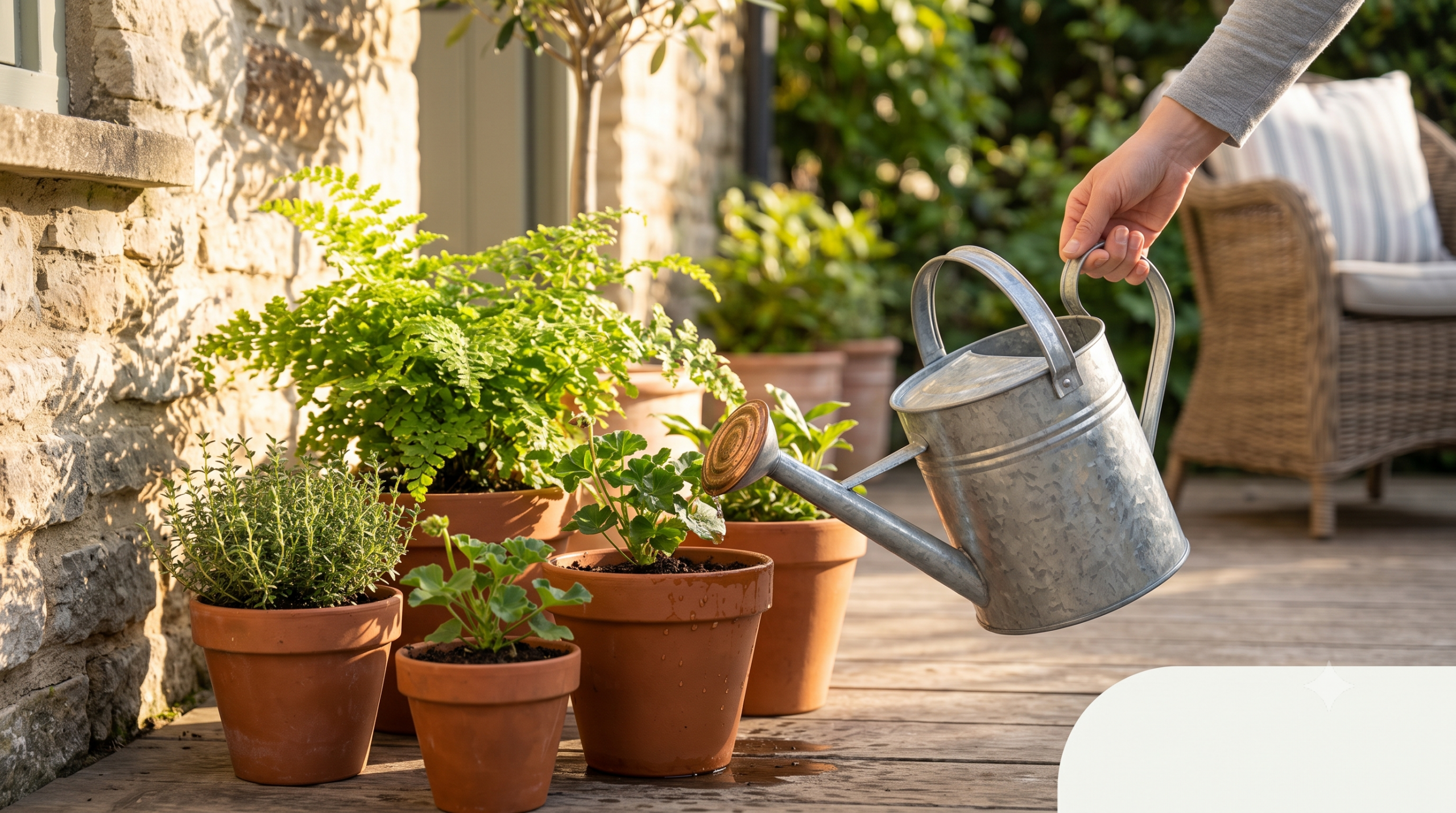
Outdoor water use crept up on me in a way indoor use never did. During the warmer months I was using a hose to rinse off my patio and water a couple of pots, and I hadn’t clocked how much that was adding to my bill until I compared summer and winter statements side by side.
Switching to a watering can for the pots and skipping the hose rinse-down (a broom does the job just as well) knocked a noticeable amount off my summer bills specifically. If your water use spikes seasonally, it’s worth checking whether outdoor habits, not indoor ones, are the actual culprit.
The simple monthly check I do now
Once a month, I do a five-minute walkthrough: check the toilet with food coloring, glance at any visible pipe connections under sinks, and check the washing machine hoses for any wear. It sounds like a lot when written out, but in practice it’s genuinely fast once you know what you’re looking for.
That small recurring habit is what actually caught the outdoor spigot leak I mentioned earlier. It wasn’t dramatic, just a slow drip I might have missed for months without a routine check in place.
What I’d tell someone just getting started
Start with the toilet check, since it’s the single most likely place to find real waste, and it’s a five-minute test with almost no cost. From there, aerators are the cheapest, fastest win, and habits like full-load laundry cost nothing at all.
I’d resist the urge to buy every gadget or fixture at once. I spread mine out over about a month, tackling one thing at a time, which made it easier to actually see which changes were making a difference on my bill rather than lumping everything together and losing track of what worked. The same one-thing-at-a-time approach is worth applying to other low-waste bathroom swaps too, once you’re ready to go beyond just water.
The bigger picture beyond just the bill
Once I started paying closer attention to water use around the house, it changed how I think about water generally, though not in a preachy way, just a practical awareness that a lot of what goes down the drain is genuinely avoidable with almost no effort or cost.
That awareness has quietly carried over into other areas too, like noticing how much water restaurants and public bathrooms waste on old fixtures, which I never used to think about before going through this process myself at home.
Frequently Asked Questions
🌿 How do I know if I have a hidden leak?
Check your water meter before bed and again in the morning without using any water overnight. If the number changed, you have a leak somewhere. That’s exactly how I eventually confirmed mine.
🌿 Are low-flow fixtures actually noticeable?
Honestly, no. I was skeptical going in, but modern low-flow showerheads and aerators are engineered to maintain pressure feel, and I couldn’t tell mine apart from the old one in daily use.
🌿 Is this worth it for renters?
Yes, aerators and showerheads are easy to install and remove, so you can take them with you when you move, which is exactly what I did from my last apartment.
🌿 How much can I realistically expect to save per month?
For me it was around $15-25 a month once the toilet leak was fixed and the habits stuck, but that number depends heavily on your household size and whether you had a leak to begin with.
🌿 Do I need any special tools for these fixes?
Just a screwdriver and an adjustable wrench cover almost everything here: the flapper valve replacement and aerator installs are all simple enough that I didn’t need to buy anything beyond the parts themselves.
Final NatGreen thoughts
Most water waste at home is invisible until you actually go looking for it. Start with the toilet, add the cheap fixes, and let the habits build from there. None of it requires a renovation or a big upfront spend.
Ready to check your own place? Do the food-coloring toilet test tonight. It takes ten minutes and it’s the single most likely place to find real waste.